Page 1
The south, with soul.
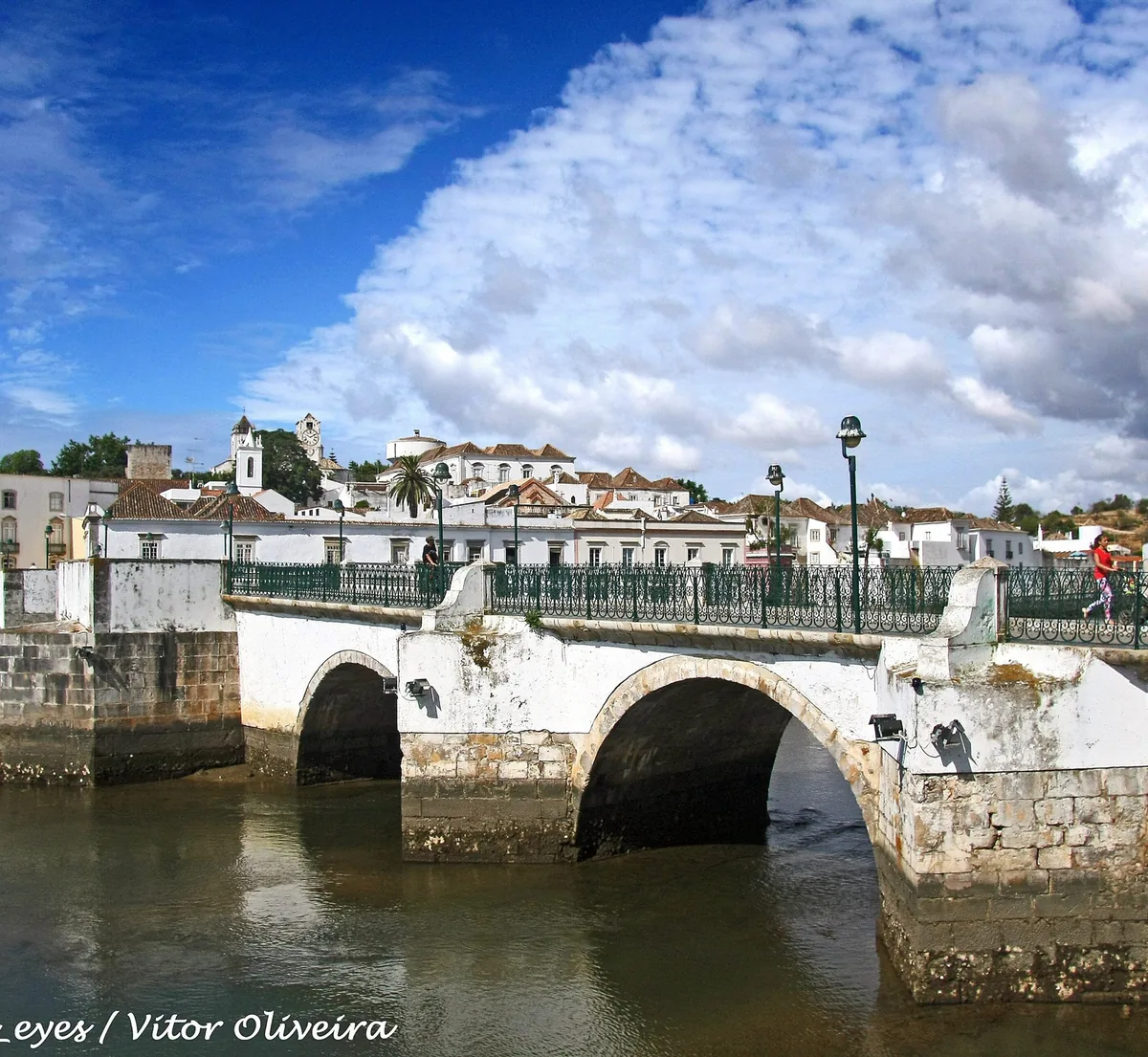
THE SOUTHERN CULTURE EDITION
SEPTEMBER 2026
ZERO
PREMIUM
PORTUGAL, BEAUTIFULLY UNDERSTOOD.
Historic towns. Working hands. Shared tables. A journey beyond the familiar coastline.
HERITAGE / CRAFT / GASTRONOMY
TAILOR-MADE
Back to contentsPage 2
A different way to meet the south.
THE ZERO PERSPECTIVE
There is an Algarve that reveals itself one detail at a time: a tiled doorway, a market conversation, a copper vessel taking shape beneath a hammer. Its beauty is not separate from daily life. It lives in it. This edition follows that quieter current through historic towns, working waterfronts and the villages behind the coast.
Expect the pleasure of discovery, with room for complexity. A castle tells one story; an archaeological object can tell another. Maritime history includes both ingenuity and exploitation. Our invitation is to travel slowly enough to see the whole picture, and to spend time with the people keeping culture alive today.
IN THIS ISSUE
Back to contentsPage 3
Roman roots. Arab-Islamic echoes.
THE LAYERED ALGARVE / TWO ESSENTIAL CHAPTERS
THE ROMAN LANDSCAPE
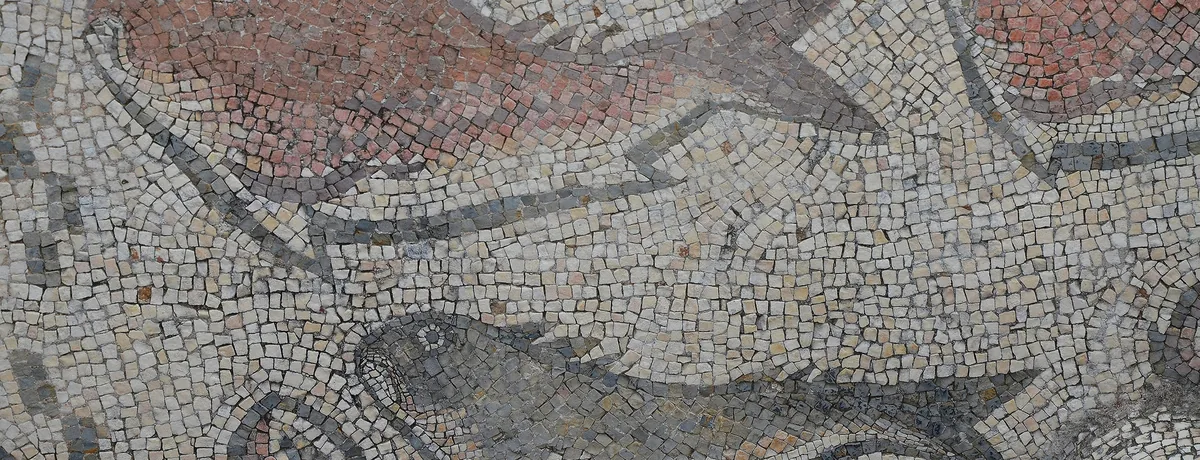
Look beyond the shore and another Algarve emerges: estates, cultivated land and houses designed around water, shade and display. At Milreu, a Roman villa near Estoi, marine mosaics and traces of an elaborate residence reveal both wealth and a working agricultural property. In Faro, the municipal museum’s Roman collections connect the modern city with ancient Ossonoba. Read them together: the country estate and the urban collection offer complementary views of a region embedded in the Roman world.
AL-GHARB / THE WEST
The name Algarve preserves the Arabic al-gharb, meaning “the west”. Arab-Islamic rule, from the eighth to the thirteenth centuries, left a lasting imprint on the region’s towns and culture. Explore it through evidence: the fortifications and water infrastructure of Silves, archaeological objects in Tavira’s Islamic Museum and the twelfth-century public baths in Loulé. This is more than a chapter of conquest. Domestic objects and communal spaces bring daily life into focus, while the region’s name carries that history into every conversation.
Back to contentsPage 4
The art of looking closer.
FARO / THE CITY BEHIND THE GATE
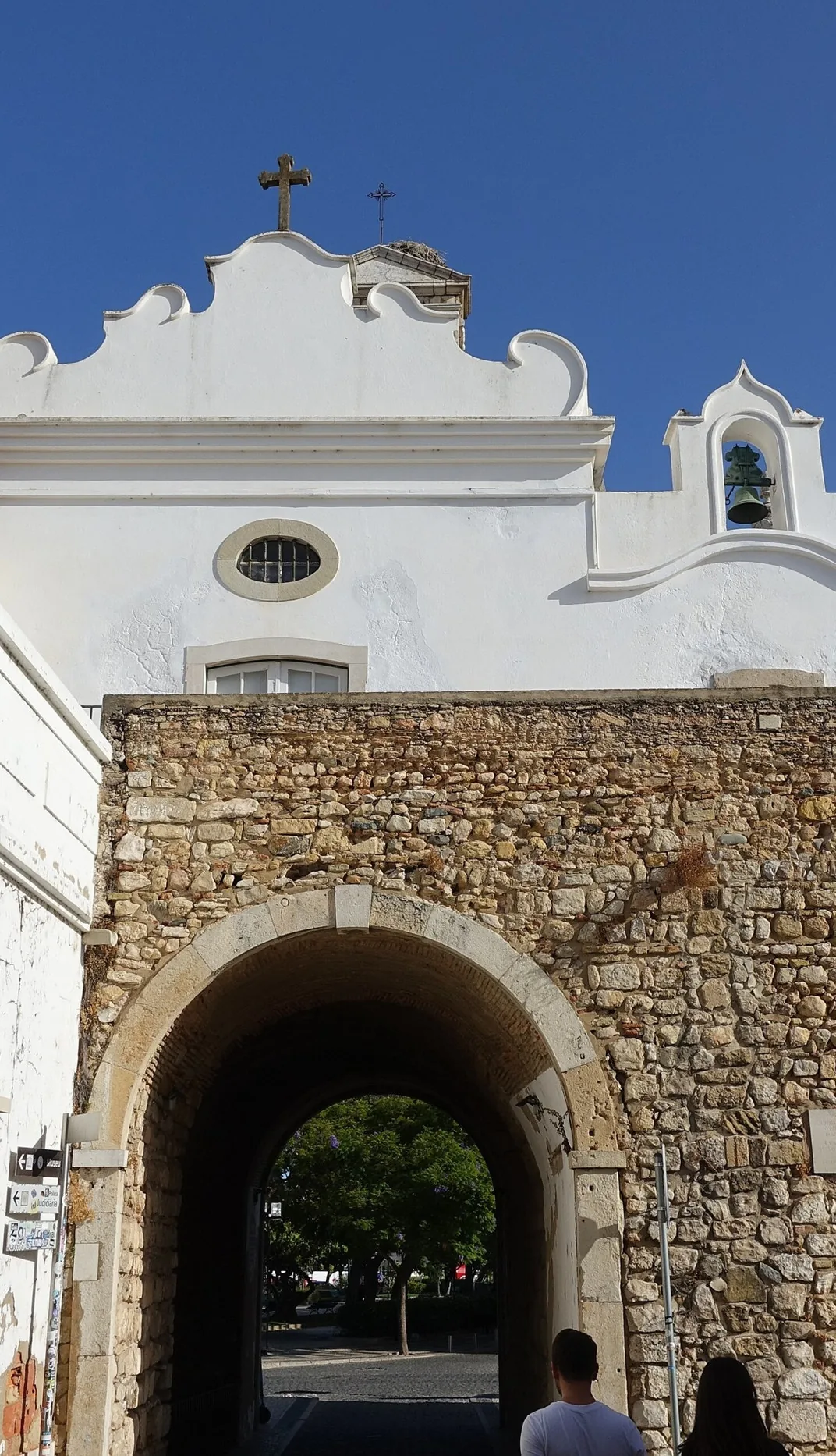
Enter Faro’s old town through the Arco da Vila and look within the gateway: an earlier Arab entrance survives inside the later monumental façade. It is a telling introduction to a city built in layers. Continue to the cathedral square and narrow streets, allowing the proximity of the lagoon to shape the walk. Here, history is often a building inside another building, rather than a single period preserved intact.
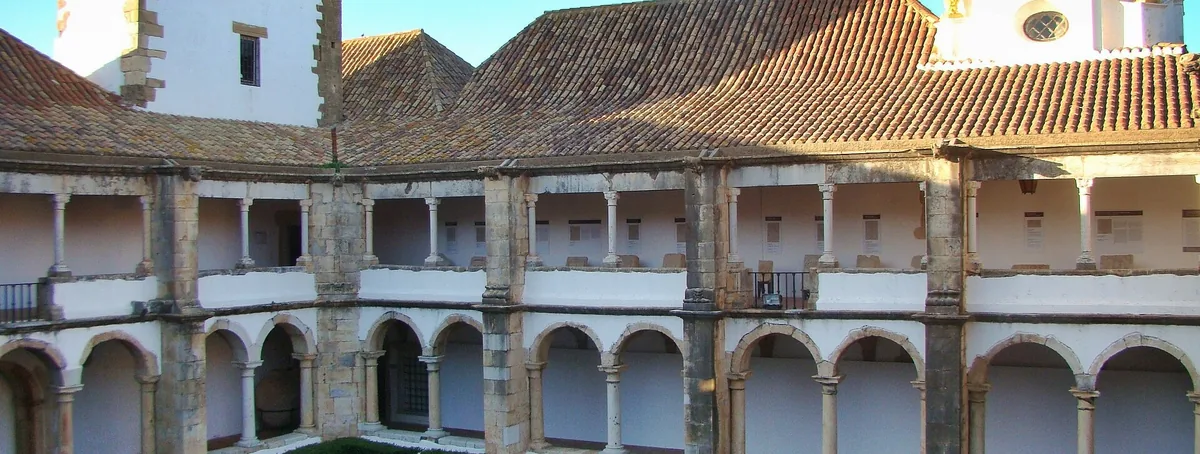
Make the Museu Municipal de Faro the anchor. Its archaeological and artistic collections include Roman material and the celebrated Oceanus mosaic, offering a way to connect today’s city with ancient Ossonoba. After the museum, return to the streets. A collection can sharpen the eye: stone fragments, thresholds and reused buildings become evidence rather than background.
A WELL-PACED FIRST DAY
A guided old-town walk, a focused museum visit and lunch make a satisfying half-day. Leave time for the waterfront instead of adding another town simply because it is nearby.
Back to contentsPage 5
Across the river, through the centuries.
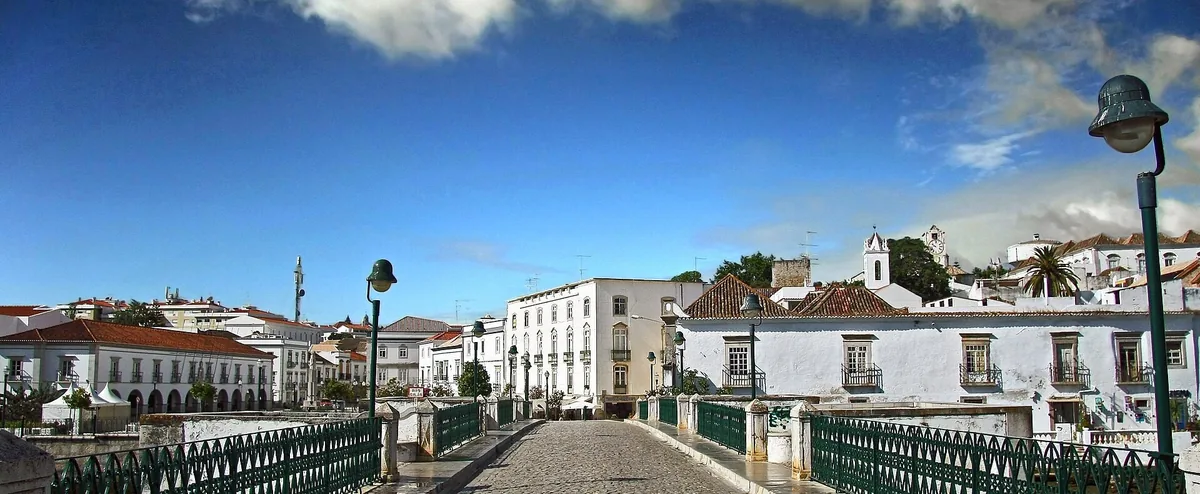
TAVIRA / A CITY IN CONVERSATION
In Tavira, begin with the river and the changing relationship between its banks. Then move uphill and into the museum network. The Núcleo Museológico Islâmico provides a particularly revealing encounter: objects recovered from the city’s archaeology make an earlier urban world visible within the present one.
The Tavira Vase is the emblematic object, but look also for the caliphal-period capital, an inkwell and ablution basins. Each changes the scale of the story, from architecture to writing and ritual washing. Remains of a twelfth-century Islamic wall add the outline of the town itself. Afterwards, walk among later churches and tiled façades: Tavira’s interest lies in the coexistence of different periods, not in reducing the city to one inherited identity.
A SMALL CHANGE OF PACE
Give Tavira a full day if you want a thoughtful museum visit, a slow lunch and time along the river. Keep Cacela Velha as a light extension, not an obligation.
Back to contentsPage 6
The red city on the hill.
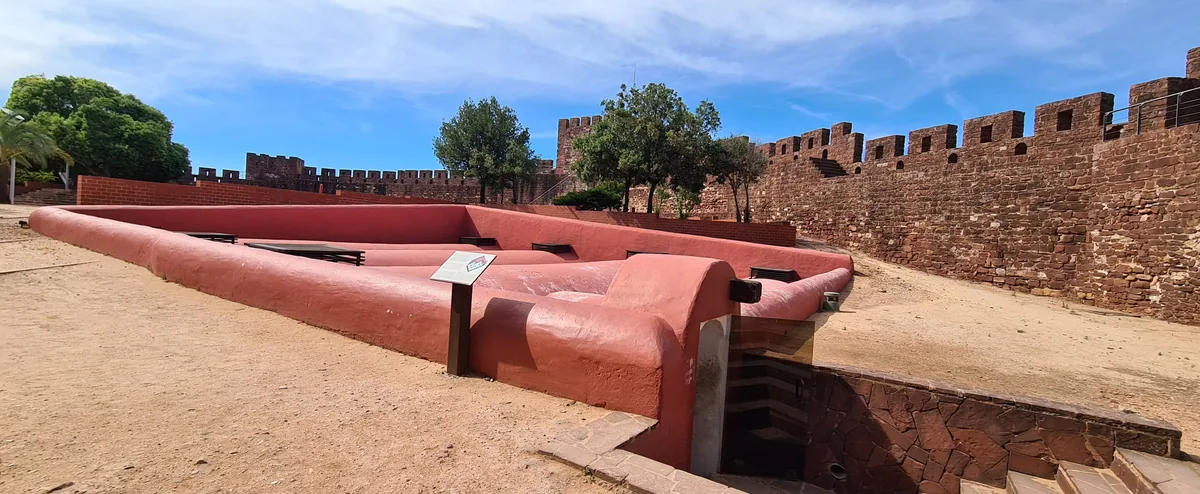
SILVES / STONE, WATER & POWER
Silves is one of the essential places for understanding the Algarve’s Arab-Islamic past. Its red-stone castle makes power and defence visible in the landscape. Below it, the Museu Municipal de Arqueologia offers another perspective, with an Almohad well-cistern at the centre of the visit. Together, these places make the medieval city tangible: a fortified community whose survival depended as much on access to water as on the strength of its walls.
Together they shift the conversation from the drama of fortification to the practical conditions of urban life. How was water reached and stored? What survives of a household, a workshop or a street? Spend the morning connecting these two places, then walk down through the town rather than moving immediately to the next attraction. A monument becomes more meaningful when the surrounding city remains in view.
DESIGN THE DAY AROUND COMFORT
The historic centre involves slopes and exposed sections. Allow shade, water and rests, and check step-free options directly. In warmer months, put the castle early in the programme.
Back to contentsPage 7
The skill behind the beautiful.
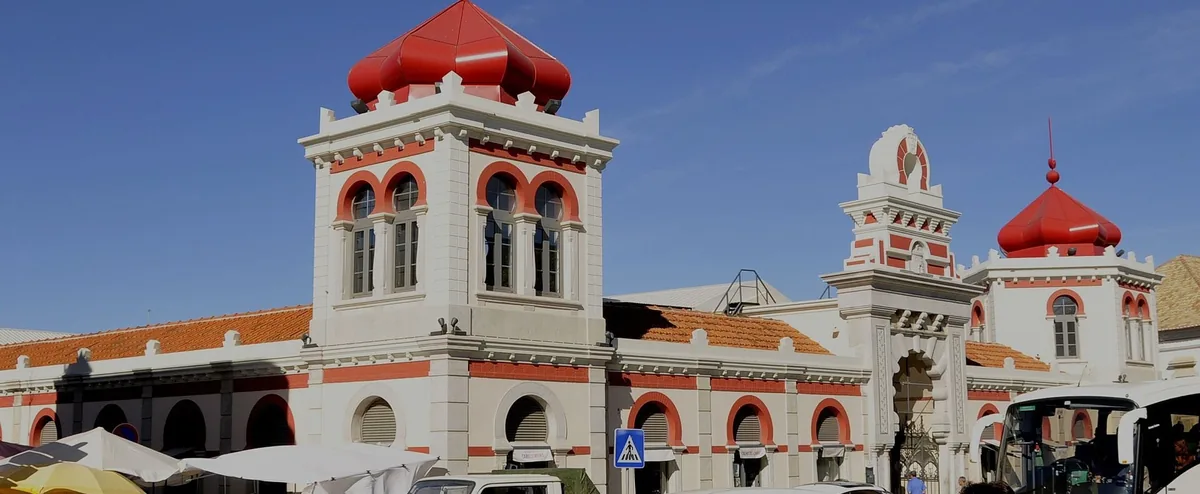
LOULÉ / CULTURE IN WORKING HANDS
Start in the market, then follow the story into the workshops. Loulé Criativo connects visitors with a network of traditional trades, including palm weaving, copper work, pottery and textiles. The appeal is not nostalgia. These are skills being practised, adapted and passed on in the present.
Choose one discipline and stay with it. Watch the sequence of decisions, ask what the material allows and what it resists, and notice how much knowledge sits inside an apparently simple object. A booked creative session can deepen the encounter, but a workshop is not an open invitation to interrupt. Confirm access, group size and whether the experience is observation, demonstration or participation.
ADD THE ISLAMIC BATHS
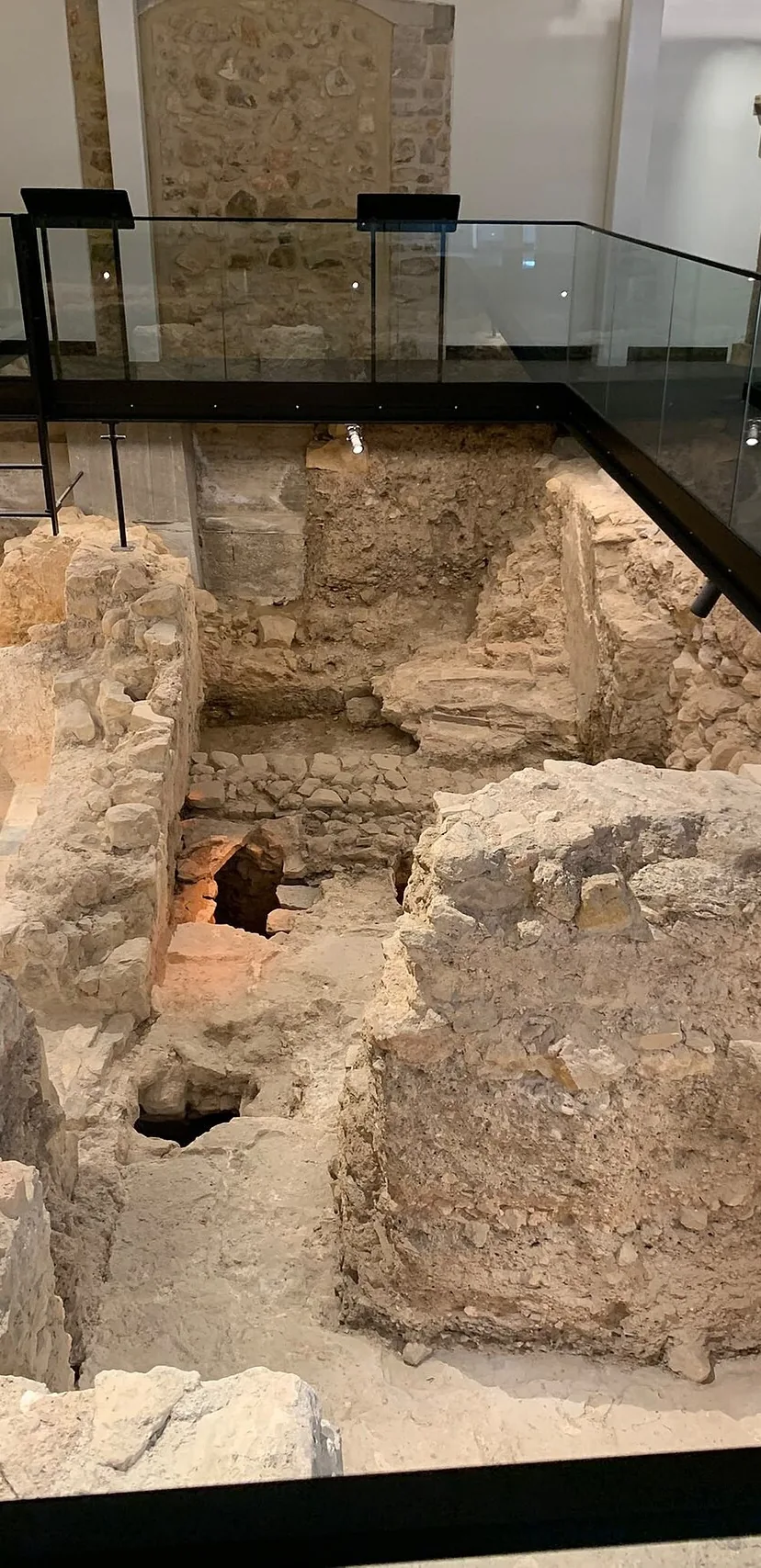
Loulé’s twelfth-century hammam adds an earlier chapter to the town walk. Visit the Islamic Baths and Barreto Stately Home museum before a booked craft encounter; check access and opening days.
Back to contentsPage 8
A town shaped by the tide.
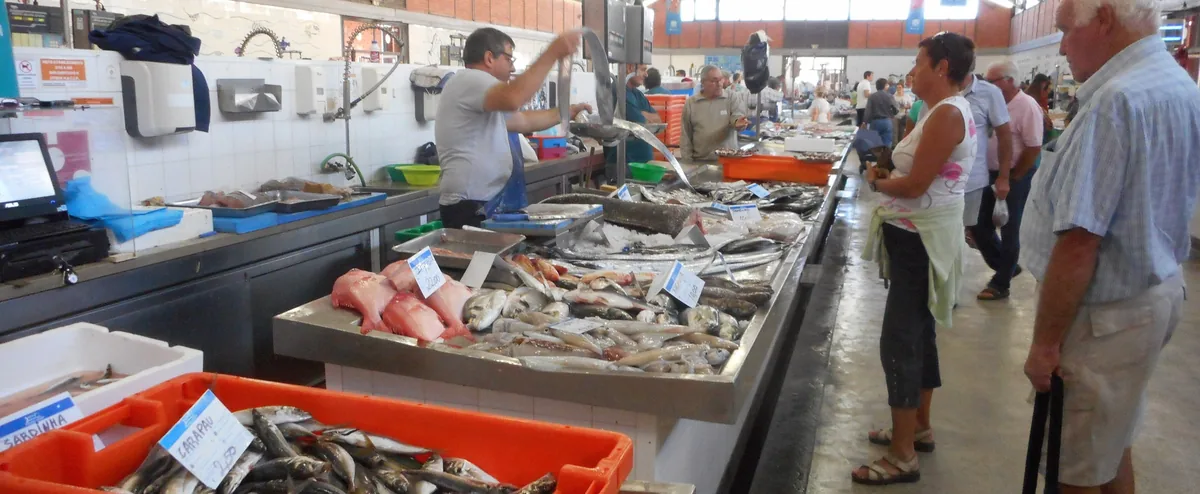
OLHÃO / THE WORKING WATERFRONT
Olhão offers an Algarve measured in working routines rather than resort timetables. Begin at the waterfront markets, where a morning’s produce makes the connection between land, lagoon and table visible. The buildings are memorable, but the purpose of the visit is to notice what is being sold, discussed and chosen.
Then walk into the town behind the seafront. Its streets provide a counterpoint to the open water. If you add an island visit in the Ria Formosa, make it a separate, well-paced chapter: arrive as a guest in a lived-in community, keep to public routes and choose a local lunch. Culatra is not a stage set, and fishing activity is not a performance guaranteed for visitors.
A RESPECTFUL LAGOON EXTENSION
Any crossing depends on weather, operator schedules and the chosen landing point. Use a licensed operator, confirm return arrangements and do not disturb working quays, habitats or private areas.
Back to contentsPage 9
A wider view of maritime history.
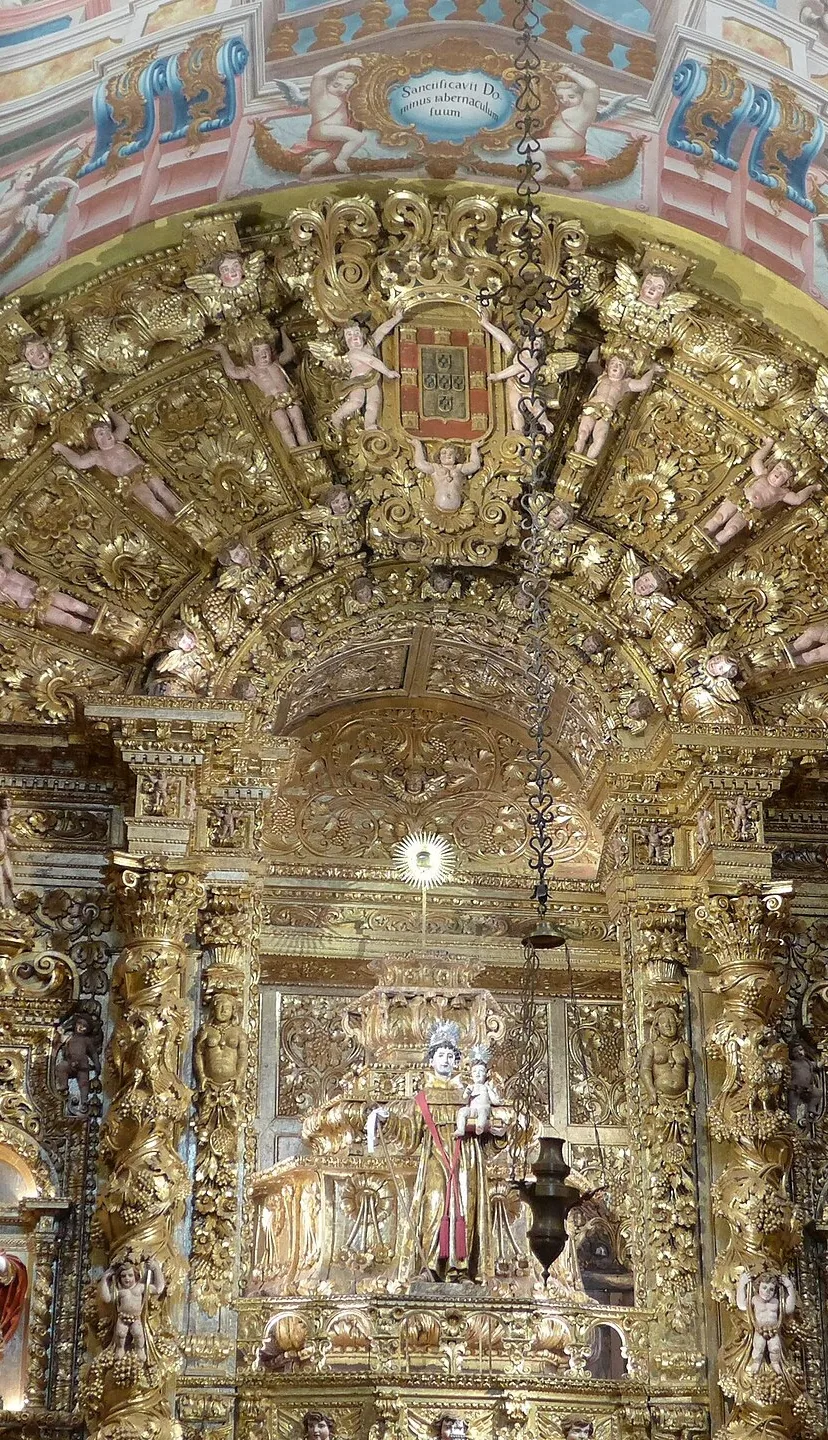
LAGOS / BEAUTY & RESPONSIBILITY
Lagos rewards a cultural visit that holds more than one story at once. The Museu de Lagos includes the Dr. José Formosinho collection and the Church of Santo António, where decorative craftsmanship can command the attention. Elsewhere in the museum network, the Rota da Escravatura asks for a very different kind of looking.
Known as the Mercado de Escravos, this museum addresses the city’s connection with the trade in enslaved Africans. It is essential context for any account of maritime expansion. Give it time and approach it without the language of spectacle. A responsible itinerary can appreciate architecture and artistic achievement while acknowledging the violence and human cost bound into the same history.
PLAN FOR REFLECTION
Keep a pause after the slavery-route museum. For families and groups, discuss the subject and the interpretive approach beforehand; a local specialist guide can help provide context.
Back to contentsPage 10
The people behind the tin.
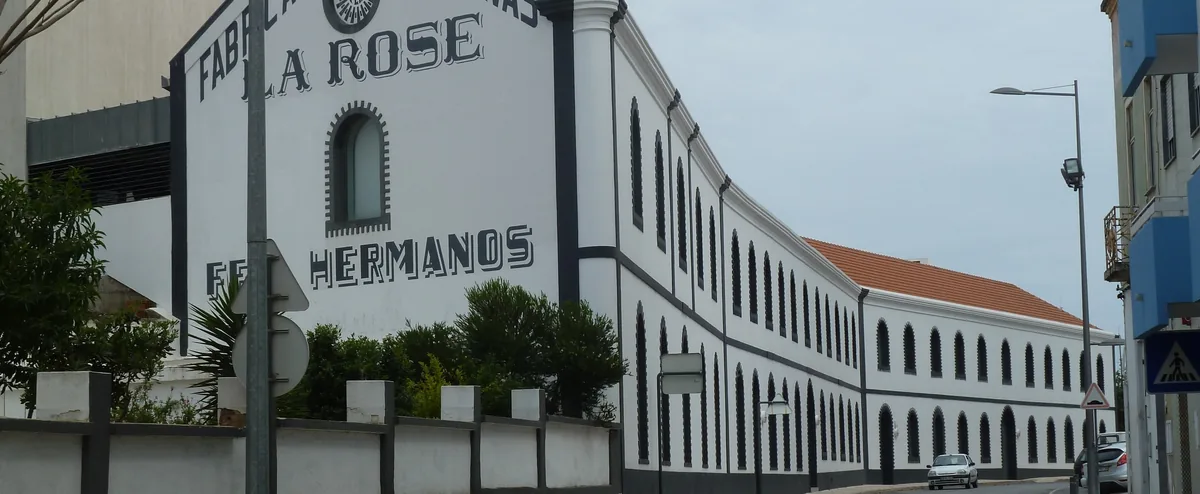
PORTIMÃO / INDUSTRIAL MEMORY
At the Museu de Portimão, the waterfront’s industrial past becomes the subject rather than the backdrop. The museum occupies a former fish-canning factory and connects the community’s history with the river, the sea and the work of processing their resources. It is a valuable change of register after castles and churches.
Read the visit through labour: materials arriving, tasks divided, products leaving, a town organised around an industry. Everyday equipment can make these relationships more tangible than a grand façade. Afterwards, take a walk beside the Arade and let the museum’s account change the view. What first looked like a pleasant riverfront can now be understood as a place of production, movement and memory.
A WESTERN CULTURAL CHAPTER
Pair Portimão with Silves for a river-and-history day if opening times allow. Give Lagos its own day when both museums and unhurried town time are priorities.
Back to contentsPage 11
Small places, large perspectives.
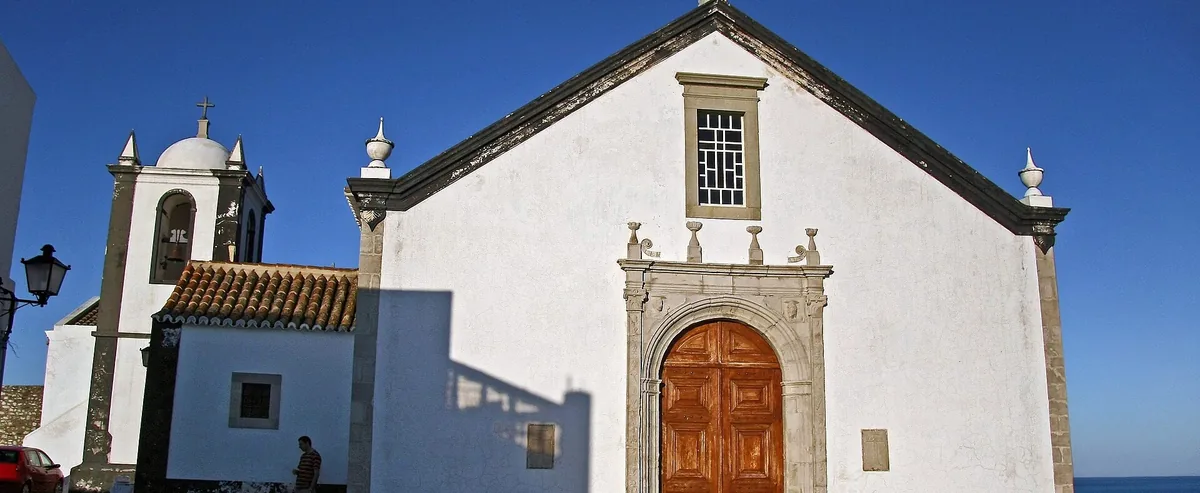
CACELA VELHA & MILREU / TWO DISTINCT HISTORICAL LENSES
At Cacela Velha, low houses, a church, defensive walls and the lagoon form a compact historical ensemble. Its power lies in their relationship: a settlement shaped by its position above the water. Visit as a quiet extension from Tavira, keeping the square and lanes open for residents. Leave time to absorb the view.
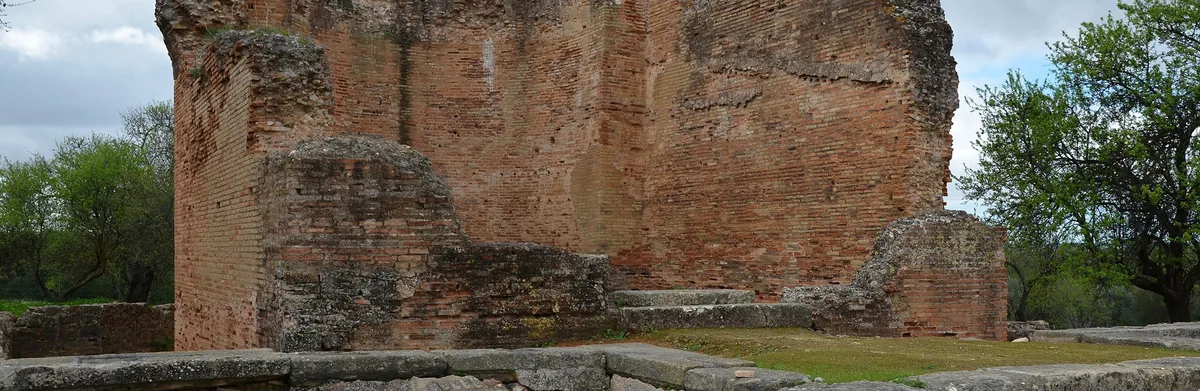
Near Estoi, Milreu reveals the Roman estate behind a luxurious home. Marine mosaics, a peristyle garden and water infrastructure suggest refined tastes supported by agriculture. Its history extends beyond Rome: a fourth-century religious building was later Christianised, and use continued into the Islamic period. Read the site through continuity and change; pair it with Faro and Estoi.
TWO ROUTES, NOT ONE CHECKLIST
East: Tavira with Cacela Velha. Central: Faro with Milreu and Estoi. Choose one coherent route, with time for a guided reading of the sites.
Back to contentsPage 12
Beyond the coastal line.
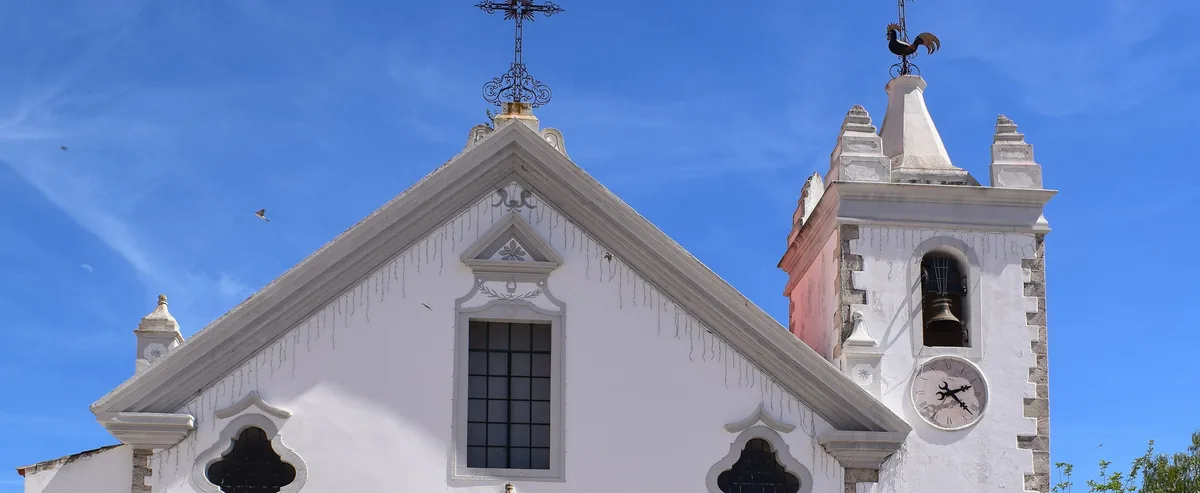
THE INTERIOR / VILLAGES & MATERIAL CULTURE
Turn inland and the cultural journey changes scale. A village like Alte is best approached with a short walk and an unhurried stop, not as a collection of photo opportunities. Look at doorways, rooflines and the small spaces where public and domestic life meet. The ordinary is often the most revealing part.
In São Brás de Alportel, the Museu do Traje provides a more structured introduction to everyday heritage. Costume, agricultural objects and the story of cork connect things people wore and used with the economic life of the region. It is a useful reminder that culture includes labour and material knowledge, not only monumental architecture. Choose one inland area for the day and build the route around a real appointment or visit.
THE VALUE OF A LOCAL INTRODUCTION
A local guide brings the landscape to life. Arrange specialist visits ahead and ask before entering private land or workshops.
Back to contentsPage 13
The landscape, served generously.
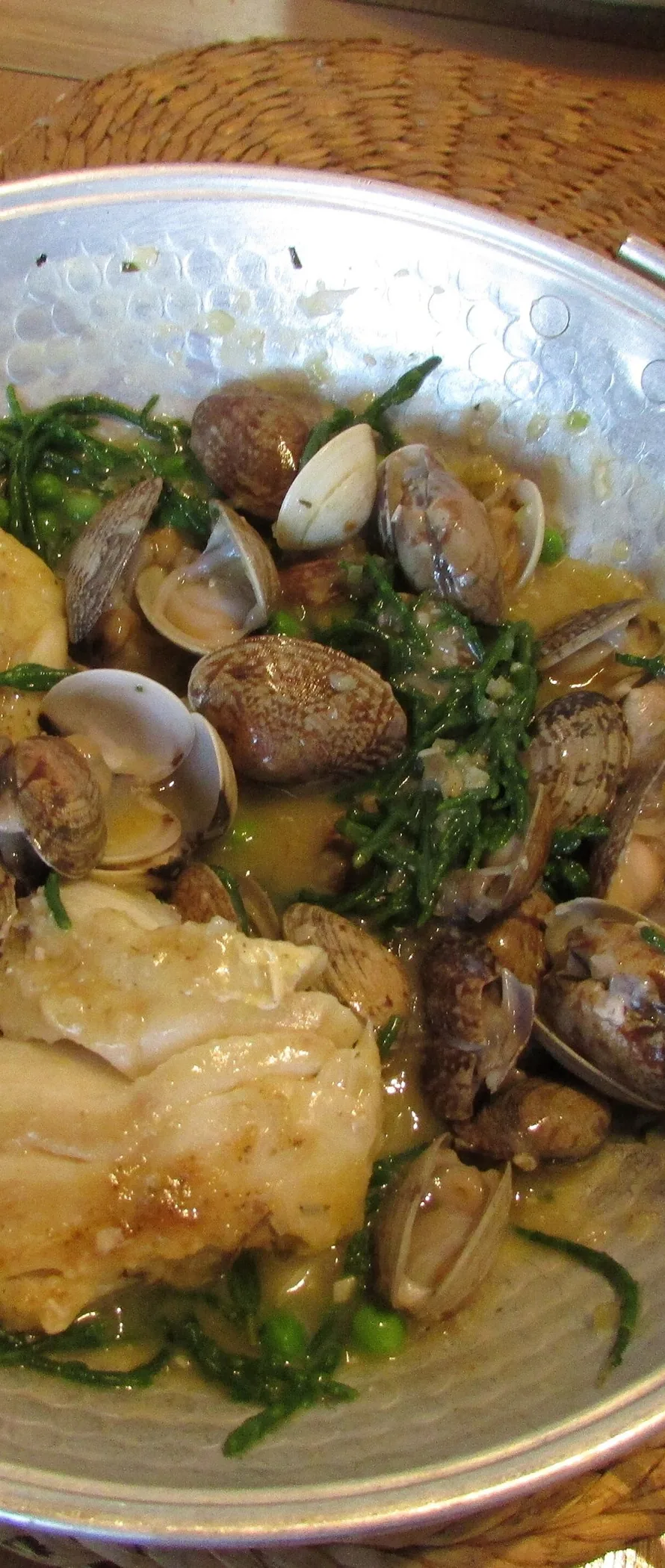
GASTRONOMY / THE CULTURE OF SHARING
The Algarve’s table moves between sea and orchard. Let a meal reveal ingredients, techniques and the pleasure of gathering.
-
THE CATAPLANA
The hinged cooking vessel is a natural centrepiece for a shared meal. Ask how the day’s recipe is built; there is no single version that tells the whole region.
-
THE ORCHARD
Almonds, figs, carob and citrus give the inland landscape an edible vocabulary. Taste contrasting sweets in small portions rather than treating them as interchangeable.
-
THE COAST
Fish and shellfish connect the market to the table. Choose what is in season and ask about origin; a good host can explain why today’s menu looks this way.
-
THE SHARED TABLE
Turn a tasting into a conversation about food and memory. For a hands-on experience, request a suitable cooking session and confirm ingredients, accessibility and dietary needs.
Page 14
A living cultural calendar.
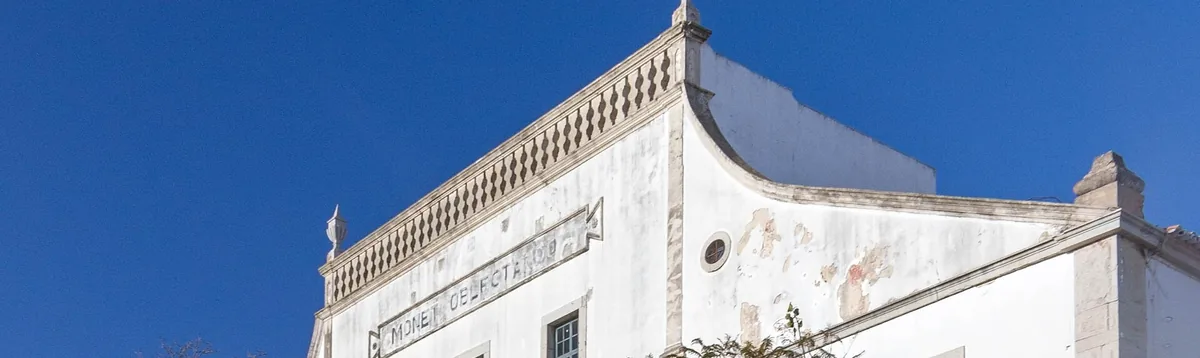
ARTS / MAKERS / PERFORMANCE
Historic places are only half the story. Leave one evening and one flexible daytime slot for the region’s current creative life.
-
Teatro Lethes / Faro
A performance can give your Faro stay a memorable evening focus. Read the current programme and check the performance language before choosing tickets. Guided visits, when offered, require their own arrangements.
-
Cineteatro Louletano / Loulé
Use the published programme to find music, theatre or another event that suits the group. Schedule dinner and transport around the confirmed performance rather than assuming something runs every night.
-
Loulé Criativo / contemporary craft
Look beyond the finished object to the exhibitions, creative activities and makers behind it. The programme changes, which makes it a reason to return rather than a fixed attraction to tick off.
Page 15
A longer season. A richer journey.
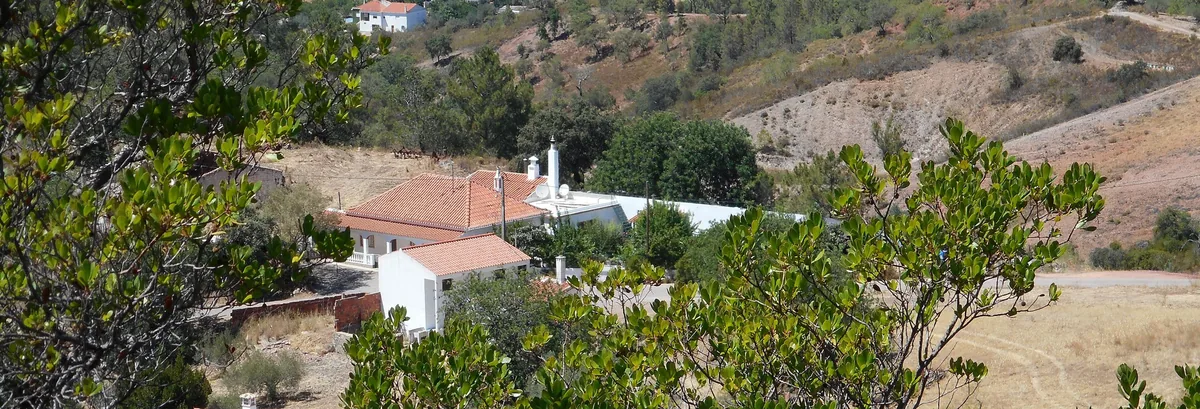
CULTURE FOR MORE OF THE YEAR
Culture is a strong reason to extend an Algarve stay beyond July and August. Museums, workshops, food and performances support a programme across far more of the year.
-
SPRING
A compelling period for town walks, village visits and gardens. Shape the day around a market, one cultural anchor and a generous lunch.
-
SUMMER
Keep exposed monuments and walking routes early. Use the middle of the day for a museum or meal, with evening events when the programme allows.
-
AUTUMN
Build a slower itinerary around craft, food and urban heritage. Outdoor dining and walks remain weather-dependent, not guaranteed inclusions.
-
WINTER
Focus on inhabited towns, collections and the cultural calendar. Add outdoor visits when conditions are good and confirm seasonal opening arrangements.
The Algarve’s mild reputation is an invitation, not a forecast. Winter can bring rain and wind; summer days can be hot. Keep indoor options, consult local forecasts and confirm venue calendars. Cultural travel can work well beyond the beach season.
Back to contentsPage 16
Five days. The eastern story.
FOUR NIGHTS / FIVE DAYS
A suggested four-night journey based in Faro or Tavira. This deliberately coherent route leaves the western Algarve for another chapter.
-
FARO, GENTLY
Arrival, an old-town orientation and a welcoming dinner. Add the municipal museum only if arrival time makes the visit comfortable.
-
TAVIRA IN DEPTH
The Islamic Museum, historic streets and a long river-side pause. Add Cacela Velha only if the group prefers a fuller day.
-
LOULÉ, ACROSS TIME
Visit the Islamic Baths, then connect the market with a pre-arranged Loulé Criativo encounter. Leave time between archaeology and living craft.
-
OLHÃO & THE LAGOON
A market-led morning and local lunch. An optional island crossing needs its own timing, weather check and confirmed return.
-
ONE FINAL CHAPTER
Choose a short Faro museum visit or Milreu near Estoi if flight times allow. For Silves, Portimão and Lagos, add two nights in the west.
Illustrative programme. Transport, guides, admission, meals and optional activities are scoped and quoted for your brief.
Back to contentsPage 17
Culture, made personal.
PRIVATE TRAVEL / SMALL GROUPS / CULTURAL RETREATS
Three starting points for a tailored journey. Each is a proposal to develop, not a pre-confirmed package.
-
THE ARTISAN WEEKEND
Three nights centred on Faro and Loulé: a heritage walk, one booked workshop, a market-led meal and an evening drawn from the cultural calendar.
-
THE ROMAN & ARAB-ISLAMIC TRAIL
Build a heritage-led journey around Faro and Milreu, Tavira’s Islamic collections and Loulé’s baths. Add a western chapter in Silves for castle and water history, with a specialist local guide.
-
THE SHARED TABLE
For private groups, a cultural host, regional ingredients and a suitable venue can turn dinner into a thoughtful occasion. A cooking session or maker demonstration is scoped and quoted separately.
Page 18
Stay inside the story.
TWO DISTINCT BASES / CHOSEN FOR CHARACTER
ESTOI / FARO AREA
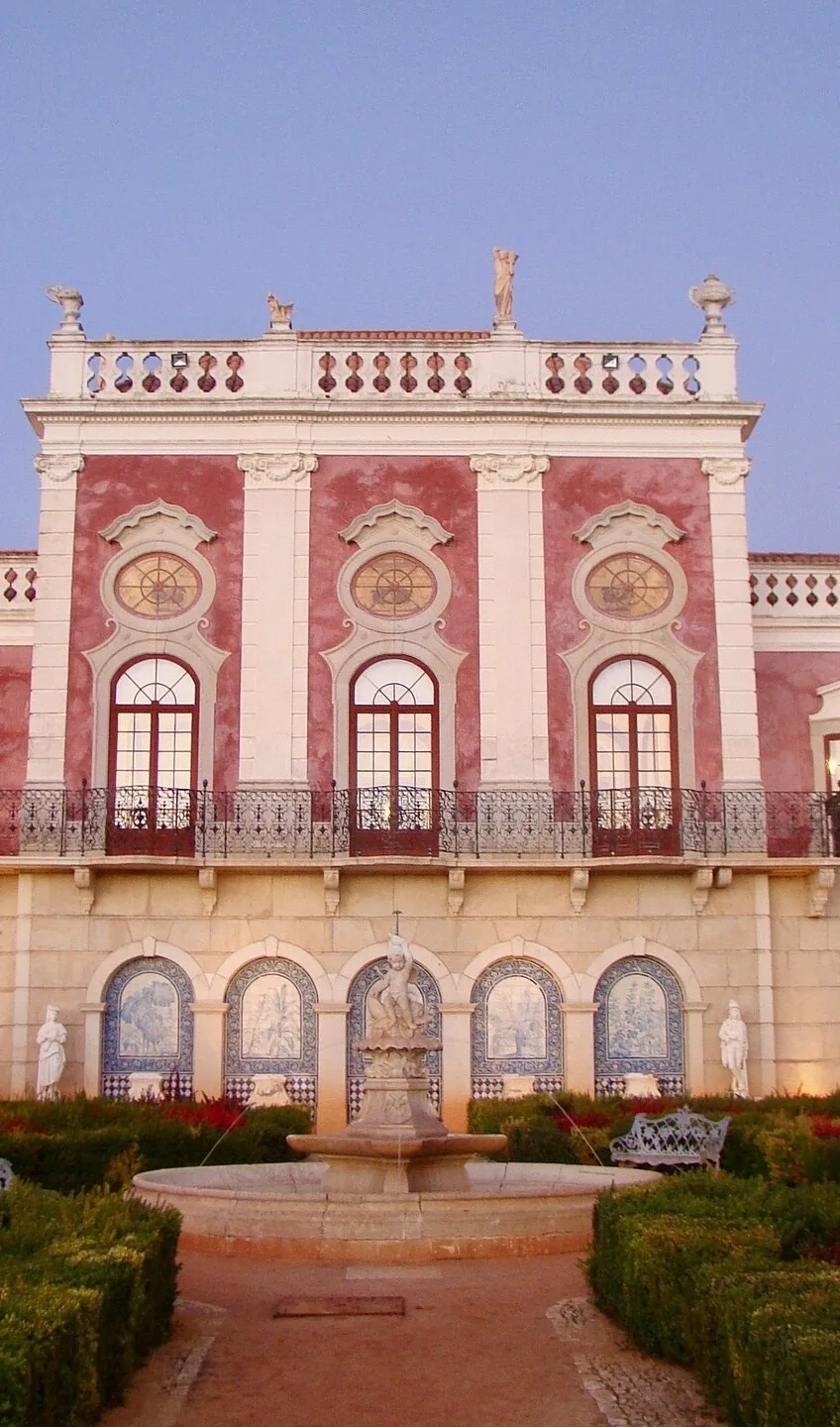
Pousada Palácio de Estoi
A palace setting for travellers who want architectural character and access to Faro and nearby Milreu. Include transport when planning evenings away from the hotel.
TAVIRA
Pousada Convento Tavira
A former-convent setting for a stay anchored in the eastern Algarve. A natural starting point for exploring the town and arranging an excursion to Cacela Velha.
Independent recommendations, not partnership claims. Rooms, access arrangements, group terms and availability require written confirmation.
Back to contentsPage 19
Your cultural shortlist.
OPEN THE STORY / FOLLOW THE LINKS
Tap an address below, or use the links throughout the features. Official calendars and direct visitor information should guide the final plan.
- MILREU / ROMAN VILLA
- LOULÉ / ISLAMIC BATHS
- FARO MUSEUM / OFFICIAL TOURISM GUIDE
- TAVIRA / ISLAMIC MUSEUM
- SILVES CASTLE
- ARCHAEOLOGY MUSEUM
- LOULÉ CRIATIVO / WORKSHOP NETWORK
- CREATIVE EXPERIENCES
- OLHÃO / MUNICIPAL VISITOR INFORMATION
- MUSEU DE LAGOS
- ROTA DA ESCRAVATURA
- MUSEU DE PORTIMÃO
- CACELA VELHA / OFFICIAL GUIDE
- MUSEU DO TRAJE / SÃO BRÁS DE ALPORTEL
- TERTÚLIA ALGARVIA / CATAPLANA CULTURE
- Teatro Lethes / Faro
- Cineteatro Louletano / Loulé
- Loulé Criativo / contemporary craft
- Pousada Palácio de Estoi
- Pousada Convento Tavira
Before booking: confirm opening days, visit language, steps and walking surfaces, dietary needs, group limits and any photography restrictions. Private access and hosted encounters are never assumed.
Back to contentsPage 20
The story, well grounded.
EDITORIAL RESEARCH / SEPTEMBER 2026
-
Turismo de Portugal / Faro Museum
Collections, Roman material and the Oceanus mosaic.
-
Museu Municipal de Tavira
Islamic collections and the Tavira Vase.
-
Municipality of Silves
Castle and archaeology museum.
-
Loulé Criativo
Trades, workshop network and creative programme.
-
Municipality of Olhão
Local visitor information.
-
Museu de Lagos
Museum network and the Rota da Escravatura.
-
Museu de Portimão
From Factory to Museum / industrial heritage.
-
Turismo de Portugal / Cacela Velha
Historic ensemble and landscape context.
-
Monumentos do Algarve / Milreu
Villa, water, mosaics and later religious use.
-
Museu do Traje / São Brás
Material culture and museum visitor information.
-
Turismo de Portugal / Algarve cuisine
Regional ingredients and food traditions.
-
Pousadas de Portugal
Official hotel information.
-
IPMA / Climate
Climate context and official forecast resources.
-
Museu de Loulé / Islamic Baths
Hammam and Barreto Stately Home.
-
Turismo de Portugal / Algarve guide
Al-gharb and the Arab-Islamic historical context.
-
Turismo de Portugal / Arco da Vila
Arab entrance within the later gateway.
Original editorial selection and suggested itineraries by ZERO Premium. Source titles are clickable. Practical information was checked in September 2026; calendars, access and services can change. Named organisations remain independent unless a partnership is expressly confirmed.
Back to contentsPage 21
Behind the images.
REAL PLACES / REAL PHOTOGRAPHY
-
Tavira and the Gilão
-
Faro museum / cloister
-
Marine mosaic / Milreu
-
Arco da Vila, Faro
-
Tavira’s old bridge
-
Silves Castle
-
Loulé municipal market
-
Inside Olhão’s fish market
-
Santo António church, Lagos
-
Museu de Portimão
-
Cacela Velha church
-
Alte parish church
-
Cataplana dish
-
Teatro Lethes / Faro
-
The countryside near Alte
-
Islamic Baths / Loulé
-
Roman ruins / Milreu
-
Palácio de Estoi
-
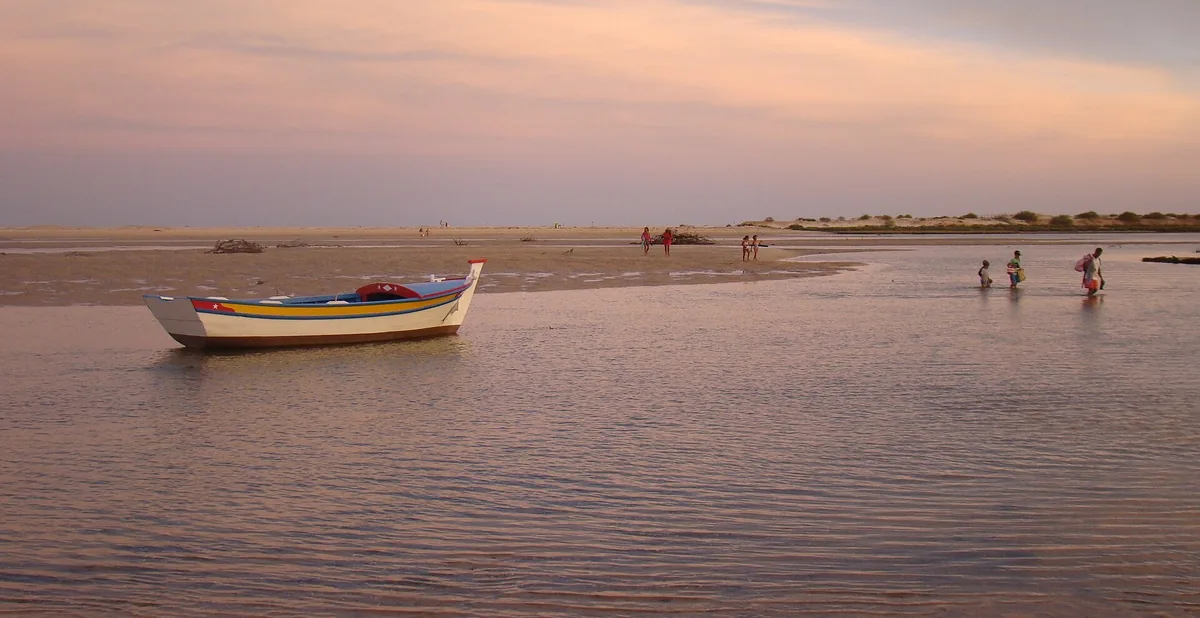
Ria Formosa / Cacela Velha
.jpg)

.jpg)

.jpg)


.JPG)
L1040840.jpg)

.jpg)

.JPG)

.JPG)

.jpg)


Real destination photographs are embedded throughout. Image titles link to original Wikimedia Commons file pages; credit lines link to the applicable licences. Photographs are cropped and resized for layout; cover images carry a colour overlay. Adapted CC BY-SA images retain their original share-alike licence. No photographer or institution endorsement is implied.
Back to contentsPage 22
Come for the light. Stay for the culture.
THE ZERO CULTURE COLLECTION
Tell us what moves you: architecture, food, craft, art or the pleasure of discovering a place in good company. We will shape a cultural journey around your interests, your pace and your people.
PRIVATE JOURNEYS / CULTURAL GROUPS / TAILORED RETREATS
Back to contents