Page 1
An island. A thousand stories.
THE ISLAND CULTURE EDITION
SEPTEMBER 2026
ZERO
PREMIUM
PORTUGAL, BEAUTIFULLY UNDERSTOOD.
Basalt cities. Tea gardens. Living traditions. A cultural journey into the heart of the Azores.
HERITAGE / CRAFT / GASTRONOMY
TAILOR-MADE
Back to contentsPage 2
The island, beyond the view.
THE ZERO PERSPECTIVE
São Miguel is often introduced through its lakes and volcanic horizons. Stay a little longer and another island comes into focus: a painted ceramic bowl, the rhythm of a tea factory, a church square gathering for a procession, a meal warmed by the earth itself. This is a journey through the things people make, remember and share.
Our cultural collection pairs essential places with time to absorb them. A museum deserves more than a hurried stop. A craftsperson deserves a conversation. And a beautiful lunch can be the most revealing hour of the day. Travel with curiosity; leave room for the unexpected.
IN THIS ISSUE
Back to contentsPage 3
Vila Franca. The first capital.
THE SOUTH COAST / WHERE THE ISLAND’S STORY BEGINS
A CAPITAL, THEN A NEW CHAPTER
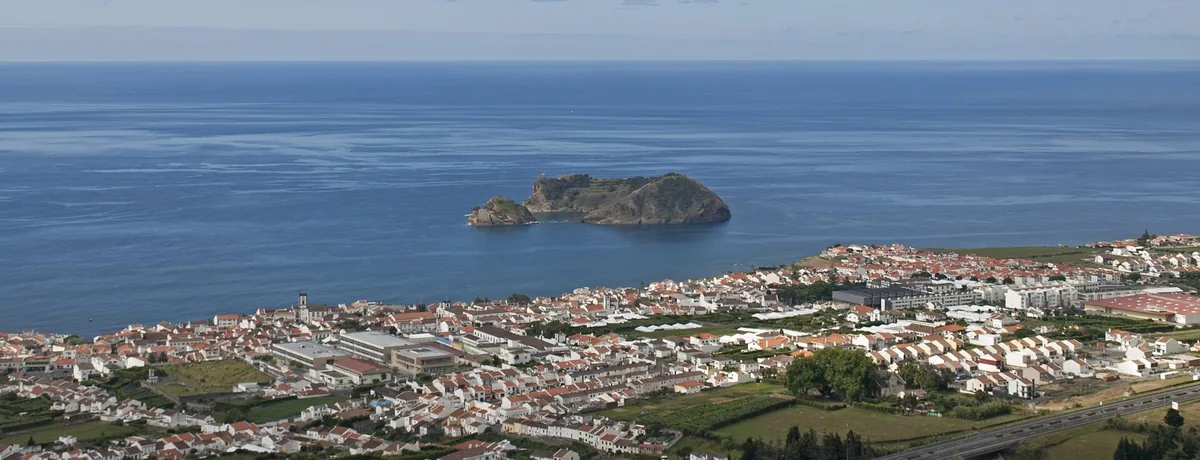
Before Ponta Delgada became the island’s principal centre, Vila Franca do Campo was São Miguel’s first capital. The town grew around early settlement and administration, with sugar cane among its first sources of wealth. A devastating earthquake in 1522 nearly destroyed it; rebuilding did not restore its former political primacy. Knowing this changes a quiet walk through the centre. The town is not simply a picturesque pause on the way to Furnas, but a place where the island’s early history becomes tangible.
THE TOWN / HISTORICAL BACKGROUND
THE MEMORY OF WORK
Begin around the parish church of São Miguel, then make a considered visit to the municipal museum. Its collections explore local pottery, traditional trades, devotion, whaling heritage and the making of the viola da terra. The museum network also includes a pottery workshop, a kiln and sites connected with water-powered industry. Choose one theme and arrange the relevant visit ahead. These objects return the story to everyday lives: what people made, how they worked and what they chose to preserve.
Back to contentsPage 4
A city drawn in black and white.
PONTA DELGADA / AN URBAN OVERTURE
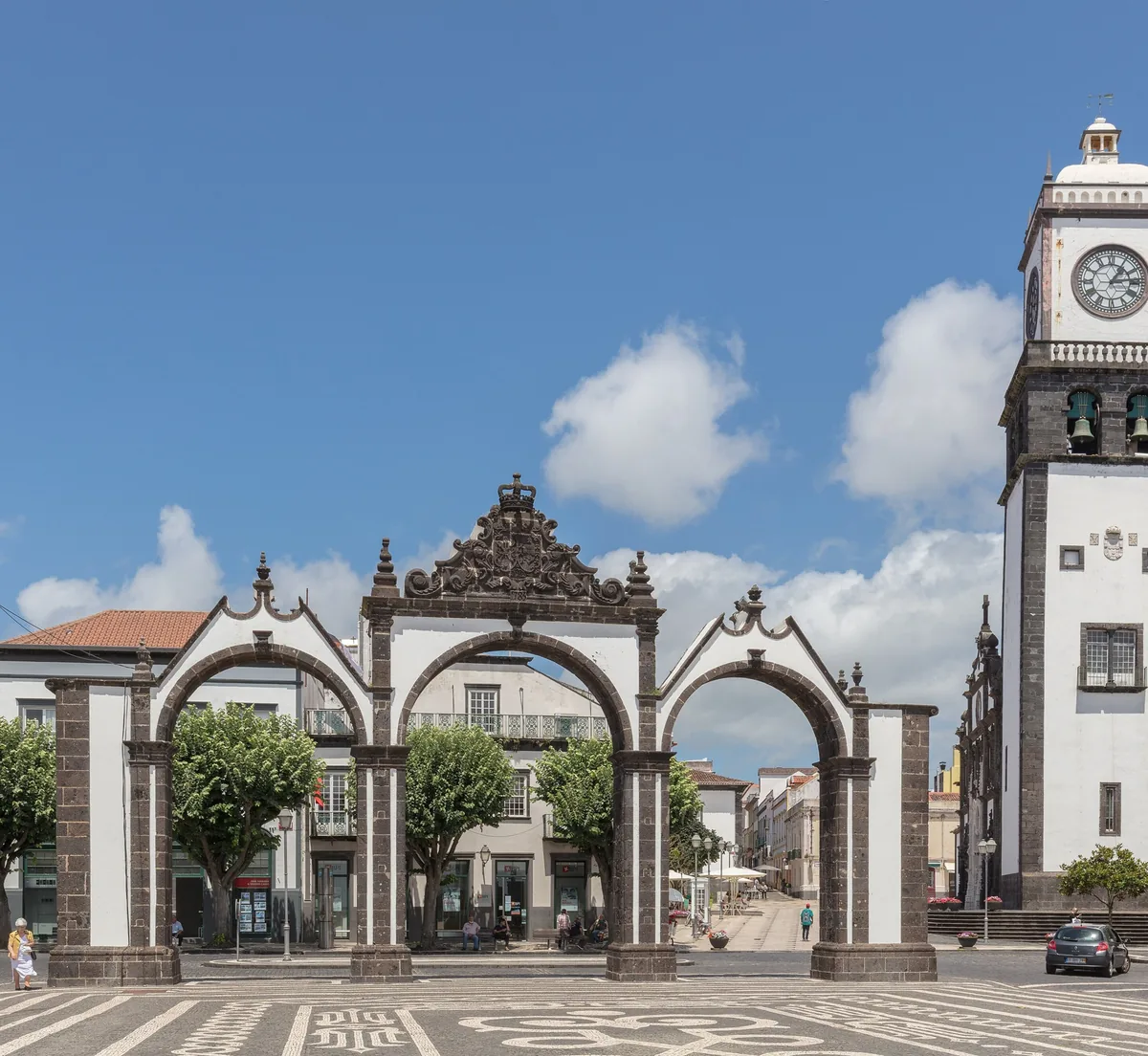
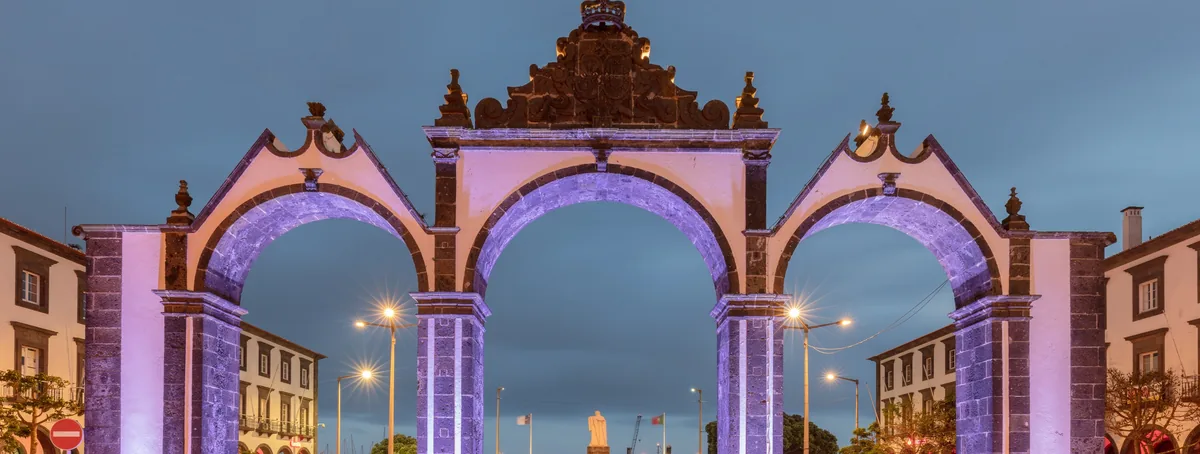
Begin at the Portas da Cidade, where three arches frame an arrival into the old city. Around them, pale walls and dark stone establish a visual language that repeats through streets, churches and civic squares. The waterfront is close, but this first walk is best taken inland, at the pace of a changing shop window or an open doorway.
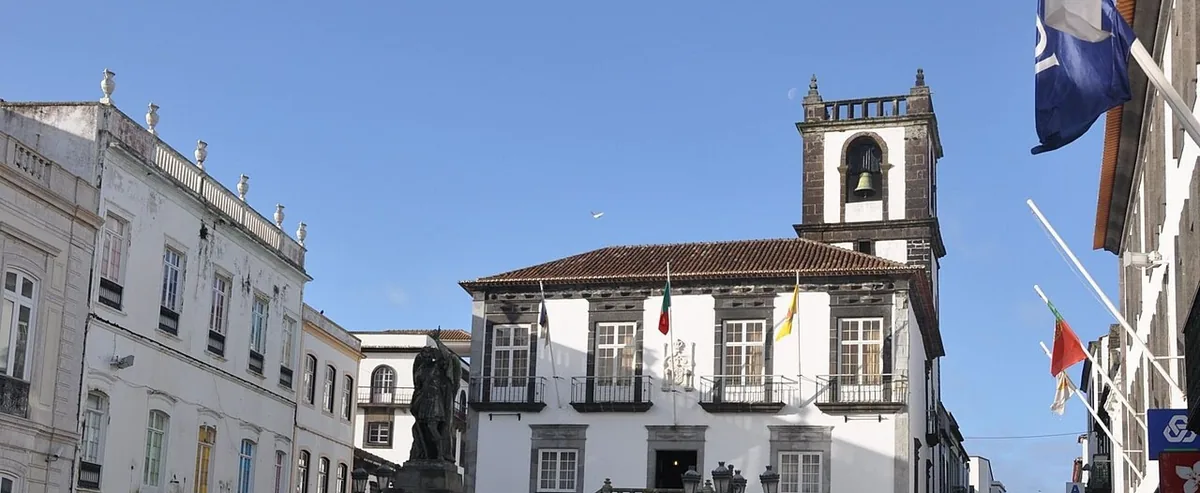
Let the Church of São Sebastião anchor the morning, then continue through the centre without trying to turn every façade into a checklist. The pleasure is in the contrasts: ceremonial entrances and ordinary errands, sea-facing space and narrow streets, an espresso taken standing up and the stillness inside a church.
THE ZERO WAY
Pair a locally guided architectural walk with one museum visit and a long lunch. Save the waterfront for the late afternoon. A cultural arrival should feel like an introduction, not an examination.
Back to contentsPage 5
An island, collected.
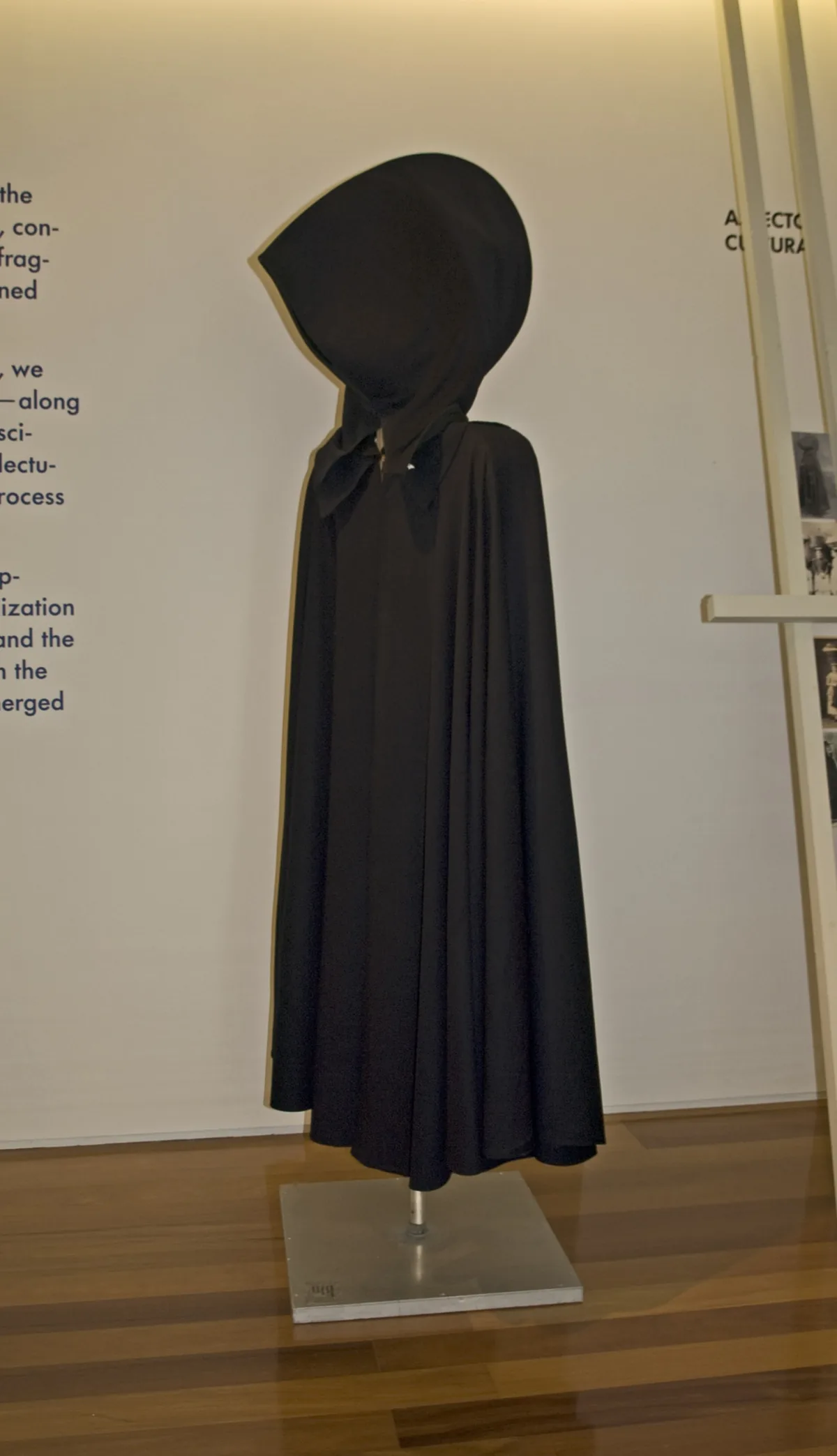
MUSEU CARLOS MACHADO / WAYS OF SEEING
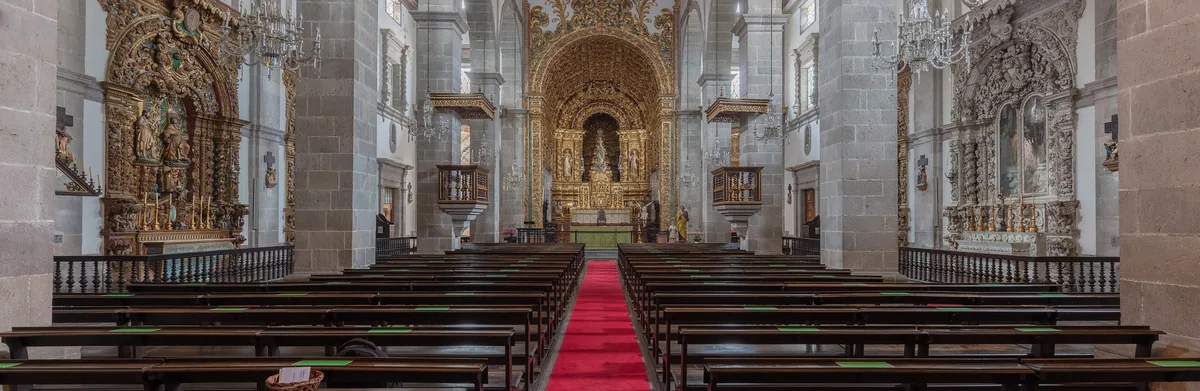
The Museu Carlos Machado offers a richer reading of São Miguel than a single historic house or church can provide. Its different centres bring natural history, art and sacred collections into the same cultural conversation. The former Convent of Santo André and the Sacred Art centre at the College Church invite very different kinds of attention.
Choose a focus before arriving. Natural-history collections can open a discussion about how island environments were studied and represented; sacred art reveals the materials and images through which devotion became visible. Temporary exhibitions add another voice. Rather than attempting every room, give one collection enough time to become memorable.
CURATORIAL PAIRING
Combine the museum with the architecture of the surrounding city. Check which centres and exhibitions are open for your dates; access and guided visits are separate arrangements.
Back to contentsPage 6
A gathering of belonging.
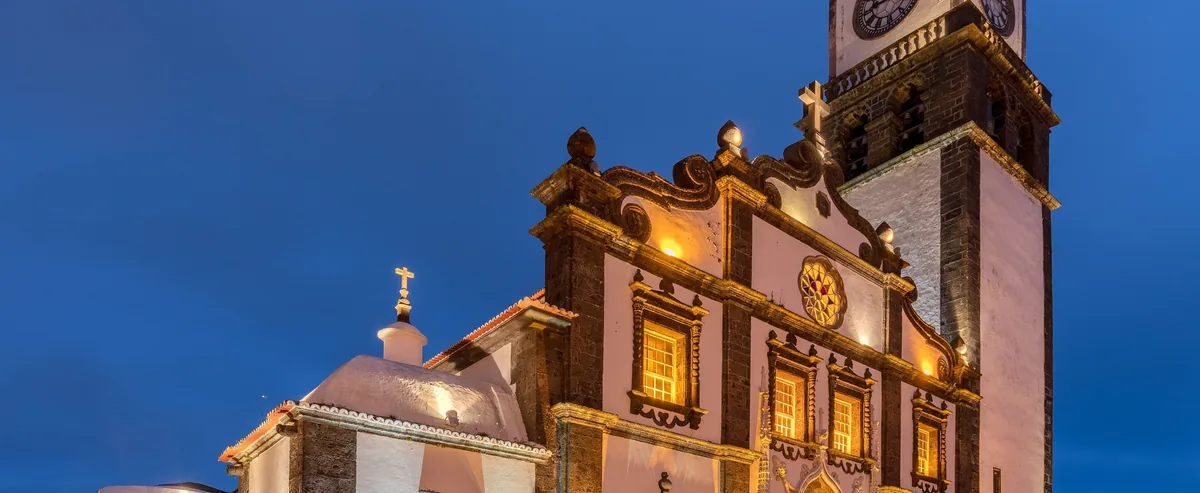
LIVING TRADITIONS / FAITH & COMMUNITY
The devotion to Senhor Santo Cristo dos Milagres is one of São Miguel’s defining cultural traditions. Its spiritual centre is the Convent and Chapel of Nossa Senhora da Esperança in Ponta Delgada. During the annual festivities, the city’s streets take on a different meaning: a public route becomes a place of prayer and collective memory.
This is living worship, not entertainment staged for visitors. The most rewarding approach is also the simplest: understand what is happening, allow space for participants and watch without interrupting. Outside the festivities, a quiet visit to the sanctuary offers its own perspective on the relationship between the city and its devotional life.
ATTEND WITH CARE
Confirm the annual programme before planning around it. Dress respectfully, follow local photography rules and never block processions or church entrances. Religious participation is always optional.
Back to contentsPage 7
The next chapter is being made.
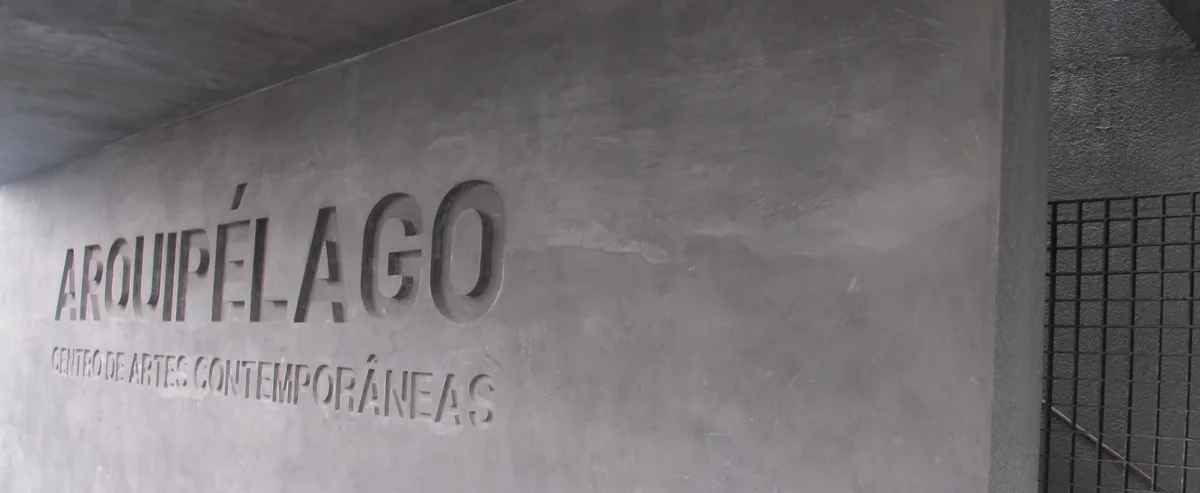
RIBEIRA GRANDE / CONTEMPORARY CULTURE
Culture on São Miguel is not confined to inheritance. At Arquipélago - Centro de Artes Contemporâneas, a former alcohol and tobacco factory has become a setting for contemporary artistic work. The encounter begins with the building: industrial memory, volcanic material and new architectural spaces belong to the experience as much as the exhibition programme.
Make Ribeira Grande a deliberate cultural day. Explore its historic centre, then give the art centre a generous afternoon slot. The change of register is part of the point: after churches and civic buildings, here is an island speaking in present tense. Exhibitions and performances vary, so choose the visit around the actual programme rather than a fixed promise of what will be on display.
A QUESTION TO TAKE WITH YOU
How does an island tell its own story today? Let a contemporary exhibition complicate the beautiful, familiar image you arrived with.
Back to contentsPage 8
A landscape you can taste.
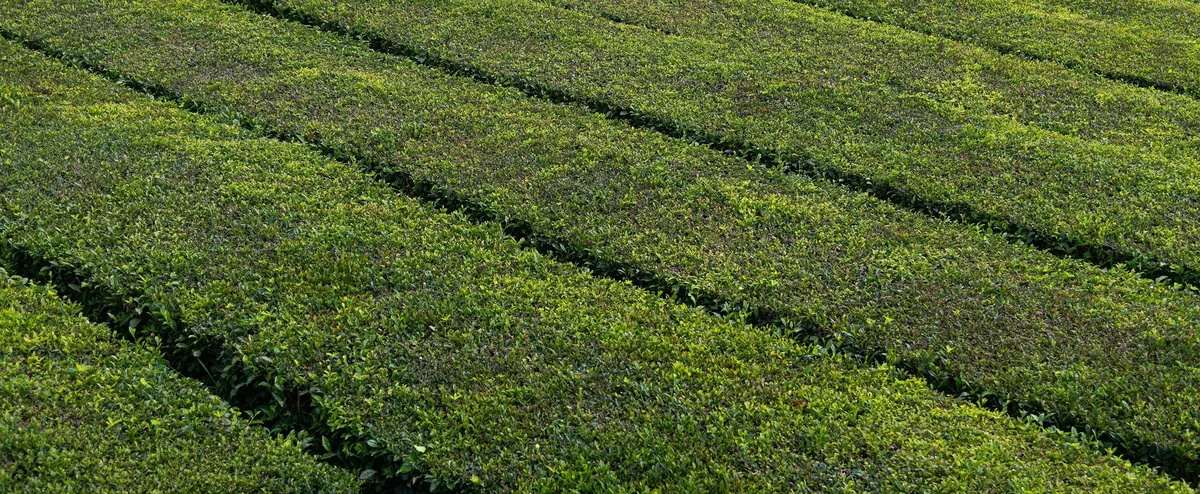
THE NORTH COAST / TEA CULTURE
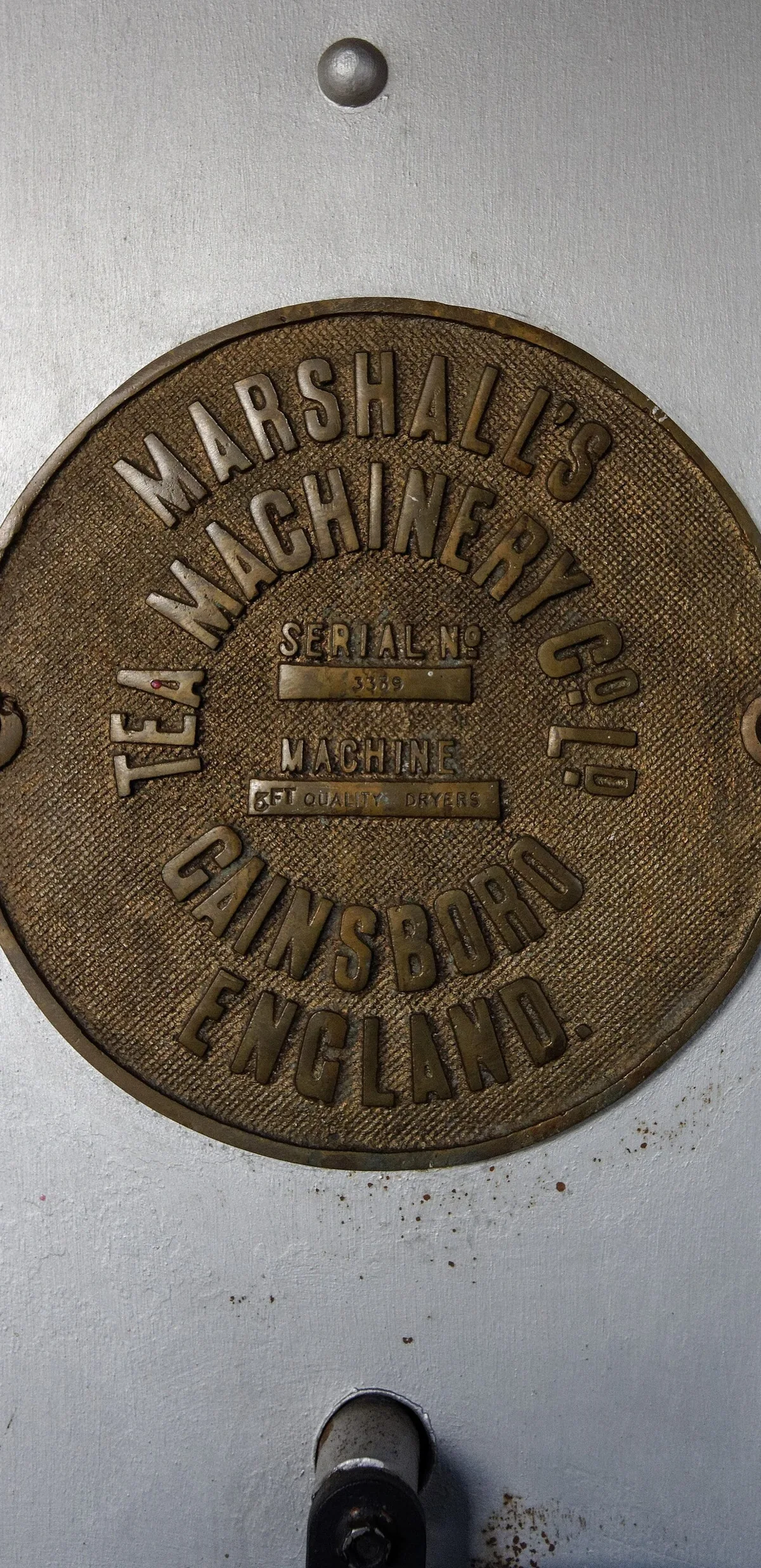
At Gorreana, cultivated rows turn a hillside into a precise green pattern. The interest is not only visual. Tea links agriculture to processing, tools and the small decisions that shape the finished cup. A visit becomes more rewarding when the question changes from “Where is the best photograph?” to “How does a leaf become this flavour?”
Build a north-coast morning around the plantation and factory, then sit down with the tea itself. Ask which stages are active on the day and how the different teas are made. Production is seasonal work, not a show scheduled around each arrival. Leave time to walk only where visitors are permitted, and give working areas the space they need.
A TASTING WITH INTENTION
Try the tea first without additions. Notice aroma, colour and texture before comparing a second cup. A simple tasting can hold more interest than a hurried succession of stops.
Back to contentsPage 9
Made slowly. Remembered well.
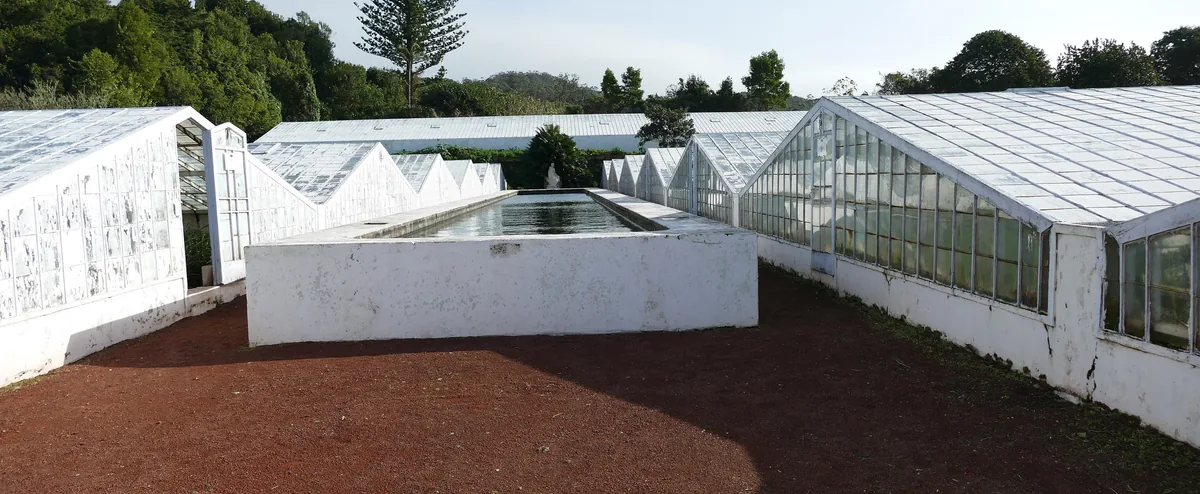
LAGOA & FAJÃ DE BAIXO / THE WORKING ISLAND
In Lagoa, Cerâmica Vieira connects the island to an enduring ceramic tradition. The municipal account records hand-moulded and hand-painted work, including tiles. Look for the decisions that distinguish one piece from another: the painted line, the glaze and the proportion of a handle. A visit should begin with the maker’s working rhythm.
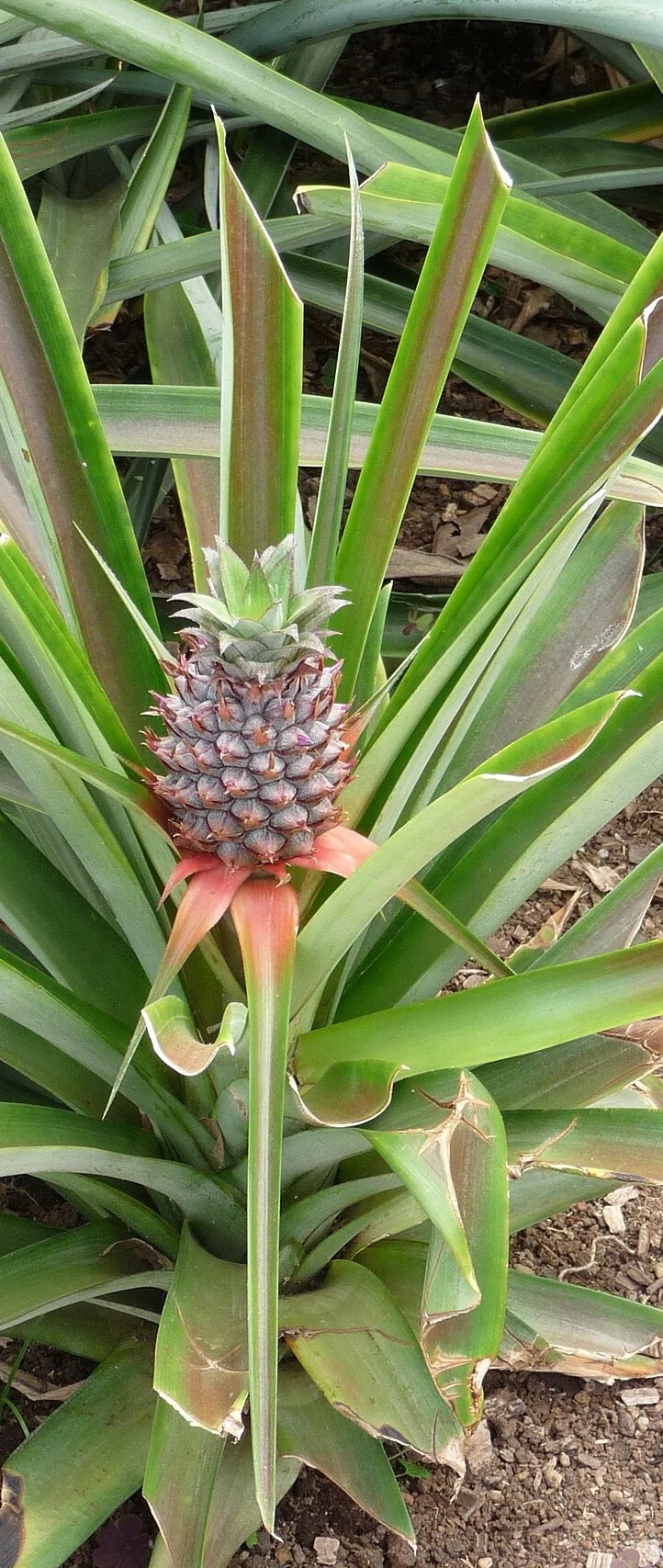
Near Ponta Delgada, the Augusto Arruda plantation reveals another kind of careful production. Pineapple grows under glass, and visitors can learn about the stages of cultivation. The greenhouse is as revealing as the fruit: an agricultural space shaped to make a particular crop possible. Together, these visits turn “local products” into something more specific - skills, time and a place.
BRING HOME A STORY
Buy directly where possible and ask about origin and care. Workshop participation or a private demonstration must be requested in advance; neither is assumed to be included in a standard visit.
Back to contentsPage 10
The earth sets the table.
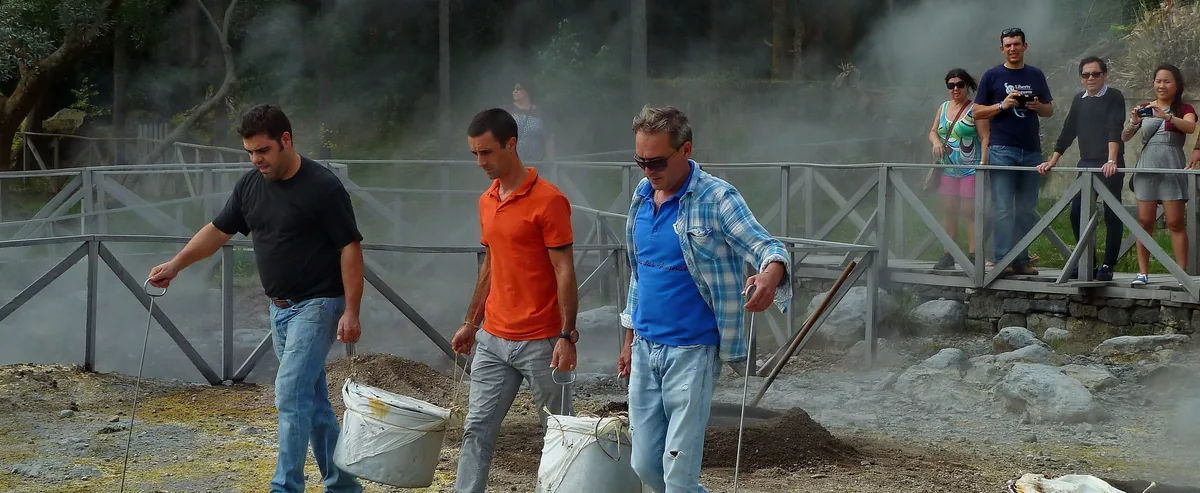
FURNAS / GEOGRAPHY AT THE TABLE
In Furnas, the connection between landscape and lunch is unusually direct. Pots of cozido, traditionally combining meats and vegetables, are cooked using the heat of the ground near the lake. The meal makes an abstract idea tangible: people do not merely live beside this volcanic landscape; they have adapted everyday practices to it.
Arrange lunch before the day begins. If you want to see pots being lifted, coordinate the timing with the restaurant or guide rather than assuming an all-day demonstration. Afterwards, walk through the village and seek out a bolo lêvedo, the lightly sweet bread associated with Furnas. The point is not to collect dishes, but to understand why they belong here.
A CONSIDERED FURNAS DAY
Lake and cooking traditions in the morning; a booked lunch; garden time in the afternoon. Stay on marked routes around geothermal ground. Confirm dietary alternatives when booking.
Back to contentsPage 11
A garden of encounters.
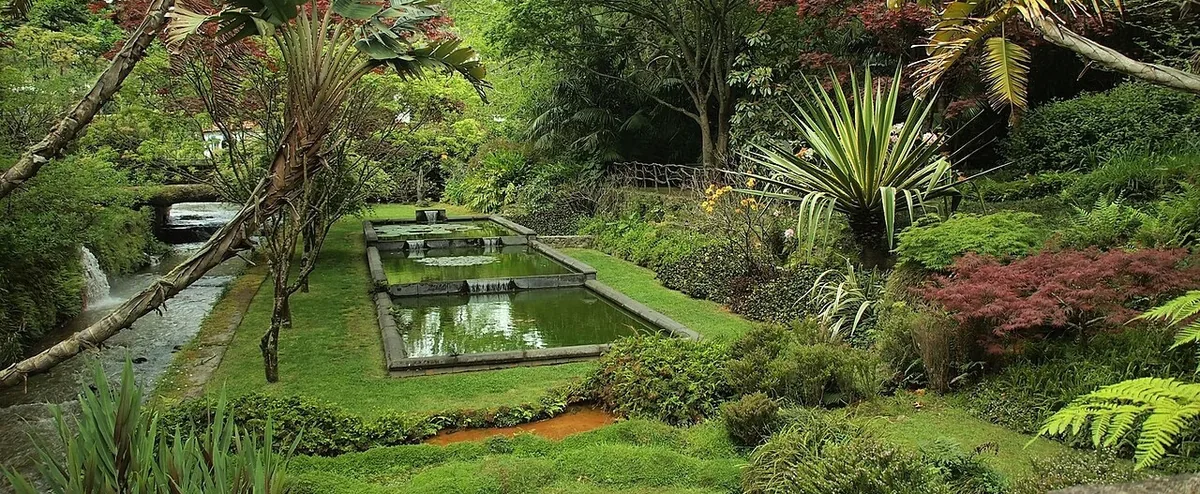
PARQUE TERRA NOSTRA / THE GARDEN IMAGINATION
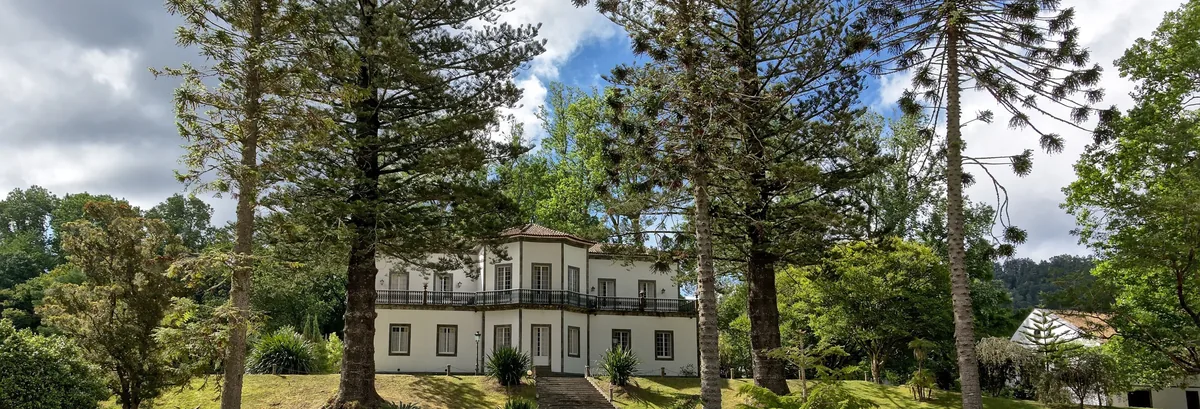
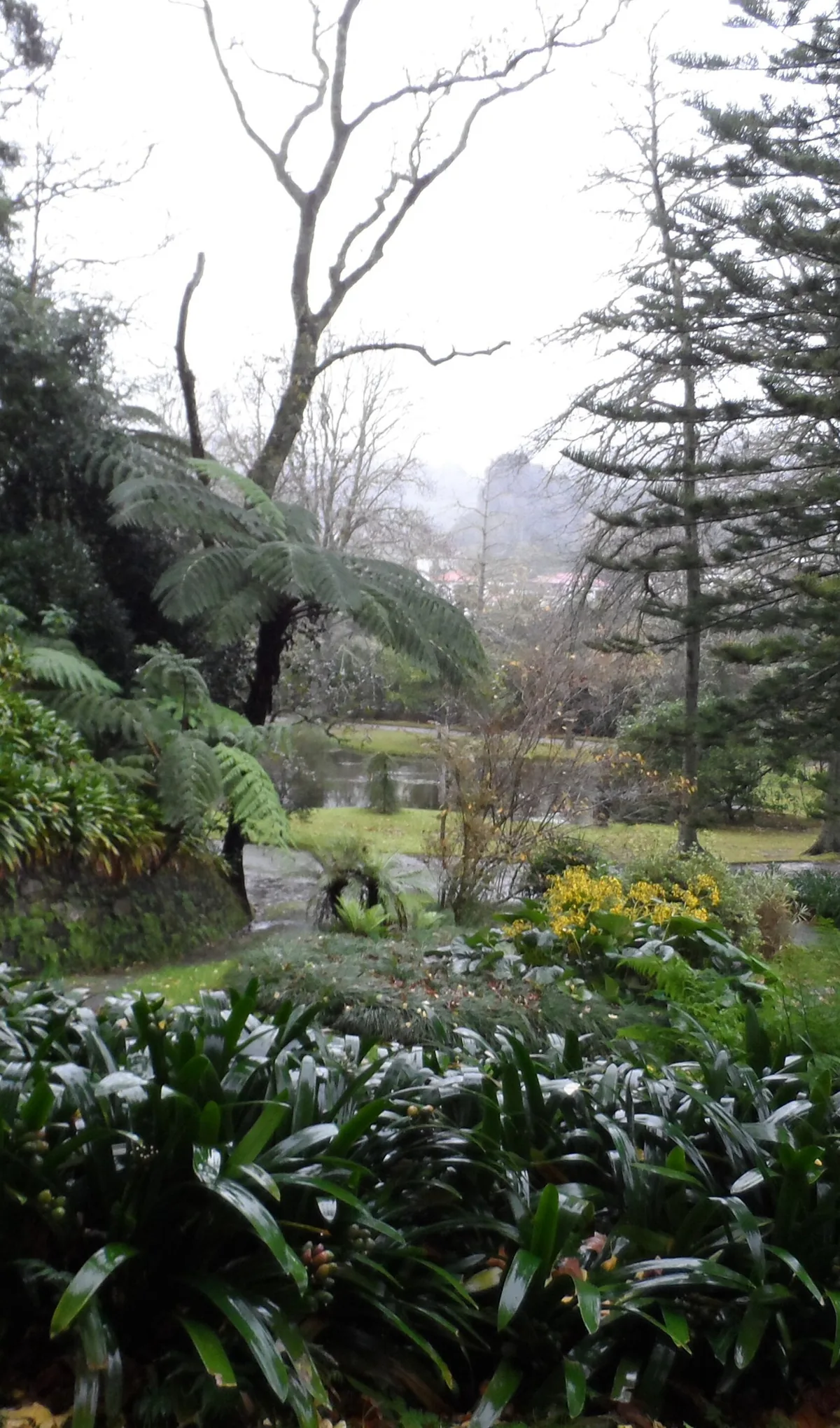
Terra Nostra is more than a green pause between excursions. Its history reaches back to the late eighteenth century and the merchant Thomas Hickling; later owners and gardeners expanded its collections and reshaped its paths. Seen culturally, the garden is a record of taste, travel and the deliberate movement of plants.
Walk it as a sequence of spaces rather than a list of specimens. An avenue, a shaded passage and an open lawn create different ways of looking. The pleasure lies in the choreography as well as the botany. It is a useful counterpoint to the surrounding volcanic scenery: nature here is not simply admired, but arranged, interpreted and maintained.
THE SLOW HOUR
Allow unstructured time after the main garden walk. Admission and thermal-pool access have their own conditions; check the official visitor guidance. A garden visit need not include bathing.
Back to contentsPage 12
A town worth staying for.
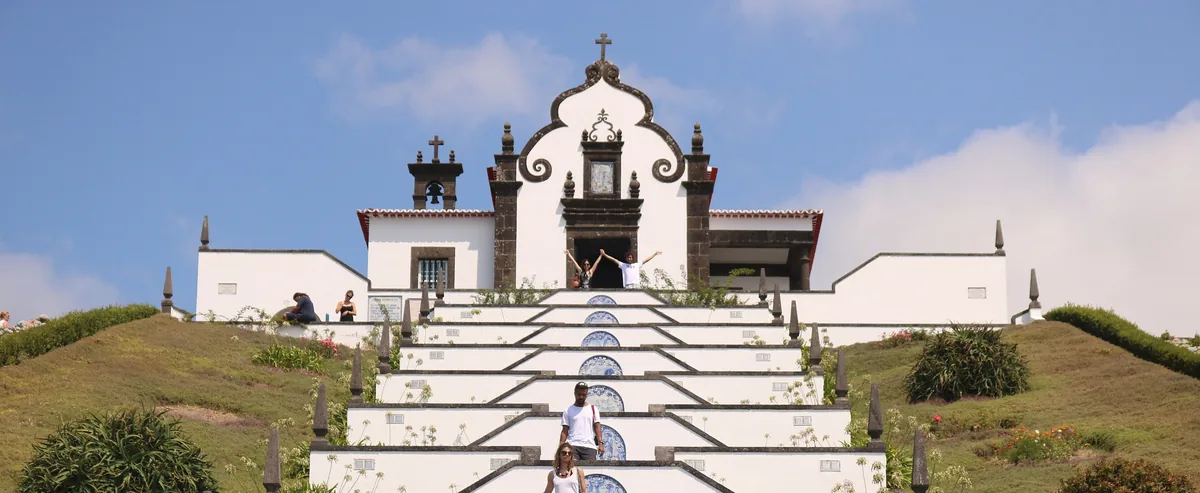
VILA FRANCA DO CAMPO / DEVOTION, CRAFT & FLAVOUR
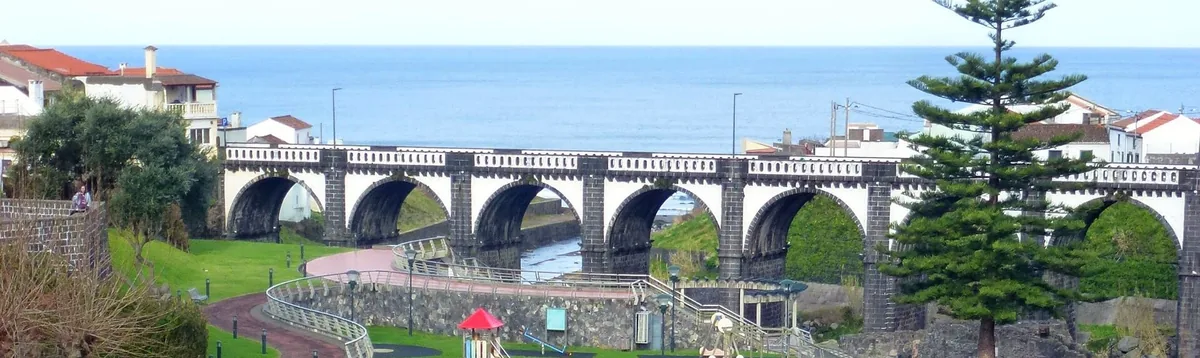
Above Vila Franca, Nossa Senhora da Paz sets a white chapel against green slopes and the ocean. Rebuilt in 1764, it acquired its monumental staircase in 1968. The tiled landings make the ascent a devotional sequence, not just a viewpoint. Notice how a much-loved place can hold different centuries at once. Return to town afterwards; its streets, church square and museum deserve time beyond the panoramic photograph.
At a café, taste the local queijadas. Their documented story reaches back to late-seventeenth-century records from the Convent of Santo André in Vila Franca. Pair that sweet inheritance with the town’s pottery tradition: ask the municipal museum about its Olaria Museu and historic kiln. End with a harbour walk and a long lunch. History here is not sealed behind glass; it continues through recipes, skilled hands and the daily life of the waterfront.
THE ZERO VILA FRANCA MORNING
A guided historic-centre walk, one arranged museum visit, queijadas and Nossa Senhora da Paz. Allow half a day; confirm museum access and the stairway’s suitability for your group.
Back to contentsPage 13
An island told through flavour.
GASTRONOMY / THE CULTURE OF SHARING
Let meals connect the cultural programme. Choose fewer, more thoughtful tastings and ask where each ingredient comes from.
-
FROM THE GROUND
Cozido in Furnas is the signature conversation between cooking and geology. Book the meal, not just the photograph.
-
FROM THE GLASSHOUSE
Fresh pineapple makes the cultivation story immediate. Taste it simply before exploring cakes, preserves or other preparations.
-
FROM THE BAKERY
Bolos lêvedos and Vila Franca’s queijadas give two places their own edible calling cards. Share smaller tastes and leave room for lunch.
-
FROM THE ATLANTIC
Ask for the day’s fish and its origin. “Azorean” does not automatically mean caught or produced on São Miguel; curiosity improves the meal.
Page 14
The island in present tense.
ARTS / MAKERS / PERFORMANCE
The best cultural journey makes space for something that could only happen on your particular dates.
-
An evening at Teatro Micaelense
Ponta Delgada’s cultural calendar can add theatre, dance or music to a day spent with historic collections. Choose a performance from the published programme and confirm language, duration and seating before building dinner around it.
-
A maker, not just a souvenir
Use the Azorean craft directory to identify a discipline or maker that genuinely interests you. Request a visit through the appropriate contact; pay fairly for demonstrations and never assume a working studio is open to groups.
-
An exhibition worth a detour
Let Arquipélago’s current programme influence the order of your days. A contemporary work can challenge the same ideas of island life that a heritage visit appears to settle.
Page 15
More than a summer island.
CULTURE FOR MORE OF THE YEAR
Cultural travel extends the possibilities well beyond the busiest holiday months. The key is a flexible balance of streets, gardens, collections and shared tables.
-
SPRING
Build around gardens and city walks. If the Santo Cristo festivities are central to the trip, verify that year’s programme and reserve early.
-
SUMMER
Allow for busier places and book key meals and visits ahead. Start town walks early, then slow the afternoon with a collection or tasting.
-
AUTUMN
A natural fit for an unhurried programme of art, craft and food. Keep exposed outdoor visits flexible and check each venue’s seasonal arrangements.
-
WINTER
Put museums, performances and meals at the centre. Treat garden walks and scenic stops as opportunities around the weather, not guarantees.
São Miguel has a maritime climate and changeable conditions. Rain, wind and low cloud can affect plans in any season. Bring layers and waterproofs; keep an indoor alternative and consult the forecast. Cultural availability does not depend on beach weather.
Back to contentsPage 16
Five days. A deeper island.
FOUR NIGHTS / FIVE DAYS
A suggested four-night journey, using Ponta Delgada as a practical base. Order and inclusions are adapted to opening days, arrival times and your interests.
-
ARRIVE
Ponta Delgada at walking pace: the city gates, historic streets and a welcoming dinner. Keep the first day deliberately light.
-
COLLECTIONS & CRAFT
Museu Carlos Machado, then Lagoa for a pre-arranged Cerâmica Vieira visit. Return for a performance if the programme fits.
-
THE NORTH COAST
Ribeira Grande and Arquipélago, paired with Gorreana. Build the sequence around museum access and the tea visit.
-
THE FURNAS DAY
Book cozido for lunch, explore the geothermal story and spend the afternoon in Terra Nostra. Give this valley its own day.
-
VILA FRANCA
With a late departure, reserve the morning for Vila Franca’s historic centre, queijadas and Nossa Senhora da Paz. Otherwise add a night; do not rush the visit before a flight.
Illustrative programme. Transport, guides, admission, meals and optional activities are scoped and quoted for your brief.
Back to contentsPage 17
Culture, made personal.
PRIVATE TRAVEL / SMALL GROUPS / CULTURAL RETREATS
Three starting points for a tailored journey. Each is a proposal to develop, not a pre-confirmed package.
-
THE COLLECTOR’S WEEKEND
Three nights focused on Ponta Delgada: a guided city reading, the Carlos Machado collections, one thoughtful meal and an evening selected from the cultural calendar.
-
THE MAKERS’ RETREAT
A small-group programme connecting ceramics, tea and pineapple production. Pace visits around the people doing the work, with time for questions and direct purchases.
-
THE FIRST-CAPITAL CHAPTER
Add a night for Vila Franca do Campo: a locally guided historic walk, a museum or pottery encounter, a queijada tasting and time above the town at Nossa Senhora da Paz. Access is arranged to your dates.
Page 18
Stay close to the story.
TWO DISTINCT BASES / CHOSEN FOR CHARACTER
PONTA DELGADA
Grand Hotel Açores Atlântico
A waterfront base for days in the city, evenings at the theatre and excursions towards the north coast. Best for travellers who value returning to an urban setting.
FURNAS
Terra Nostra Garden Hotel
A characterful choice when the garden and valley deserve more than a day trip. Combine a city stay with a Furnas chapter rather than repeating the same drive.
Independent recommendations, not partnership claims. Rooms, access arrangements, group terms and availability require written confirmation.
Back to contentsPage 19
Your cultural shortlist.
OPEN THE STORY / FOLLOW THE LINKS
Tap an address below, or use the links throughout the features. Official calendars and direct visitor information should guide the final plan.
- THE TOWN / HISTORICAL BACKGROUND
- VILA FRANCA / MUNICIPAL MUSEUM
- EXPLORE PONTA DELGADA
- MUSEUM & CURRENT EXHIBITIONS
- SANTO CRISTO / VISITOR INFORMATION
- ARQUIPÉLAGO / PROGRAMME
- GORREANA / TEA ESTATE
- CERÂMICA VIEIRA / MUNICIPAL GUIDE
- ARRUDA PINEAPPLE PLANTATION
- FURNAS / OFFICIAL GEOCULTURAL GUIDE
- TERRA NOSTRA / PLAN YOUR VISIT
- NOSSA SENHORA DA PAZ
- QUEIJADAS / CRAFT CATALOGUE
- ISLAND FOOD / OFFICIAL GUIDE
- An evening at Teatro Micaelense
- A maker, not just a souvenir
- Grand Hotel Açores Atlântico
- Terra Nostra Garden Hotel
Before booking: confirm opening days, visit language, steps and walking surfaces, dietary needs, group limits and any photography restrictions. Private access and hosted encounters are never assumed.
Back to contentsPage 20
The story, well grounded.
EDITORIAL RESEARCH / SEPTEMBER 2026
-
Ponta Delgada / Turismo de Portugal
City monuments and urban introduction.
-
Museu Carlos Machado
Museum centres and collections.
-
Santo Cristo / Turismo de Portugal
Religious festivities and visitor context.
-
Arquipélago
Industrial history, architecture and current programme.
-
Turismo de Portugal / São Miguel
Tea cultivation and factory visits.
-
Lagoa / Cerâmica Vieira
Municipal account of ceramic production.
-
Augusto Arruda
Plantation and cultivation visitor information.
-
Azores Tourism Portal
Furnas traditions and island gastronomy.
-
Parque Terra Nostra
Garden history and visitor guidance.
-
Azorean craft catalogue / Queijadas
Documented confectionery heritage.
-
Teatro Micaelense
Current cultural programme.
-
Bensaude Hotels
Official hotel information.
-
IPMA / Climate
Climate context and official forecast resources.
-
Vila Franca / Municipality
First-capital history and the 1522 earthquake.
-
Vila Franca / Municipal Museum
Collections, pottery and industrial heritage.
-
Azores Tourism / Nossa Senhora da Paz
Chapel, staircase and devotional interpretation.
Original editorial selection and suggested itineraries by ZERO Premium. Source titles are clickable. Practical information was checked in September 2026; calendars, access and services can change. Named organisations remain independent unless a partnership is expressly confirmed.
Back to contentsPage 21
Behind the images.
REAL PLACES / REAL PHOTOGRAPHY
-
Portas da Cidade
-
Ponta Delgada, after dark
-
Vila Franca do Campo
-
Ponta Delgada town hall
-
Capote e capelo / Carlos Machado Museum
-
Church of São Sebastião
-
Arquipélago, Ribeira Grande
-
Gorreana tea fields
-
Arruda pineapple glasshouses
-
Cozido preparation, Furnas
-
Terra Nostra garden
-
Nossa Senhora da Paz
-
Pineapple at Arruda
-
Ribeira Grande
-
Terra Nostra thermal pool
-
Historic machinery / Gorreana
-
São José church / Ponta Delgada
-
Terra Nostra garden walk
-
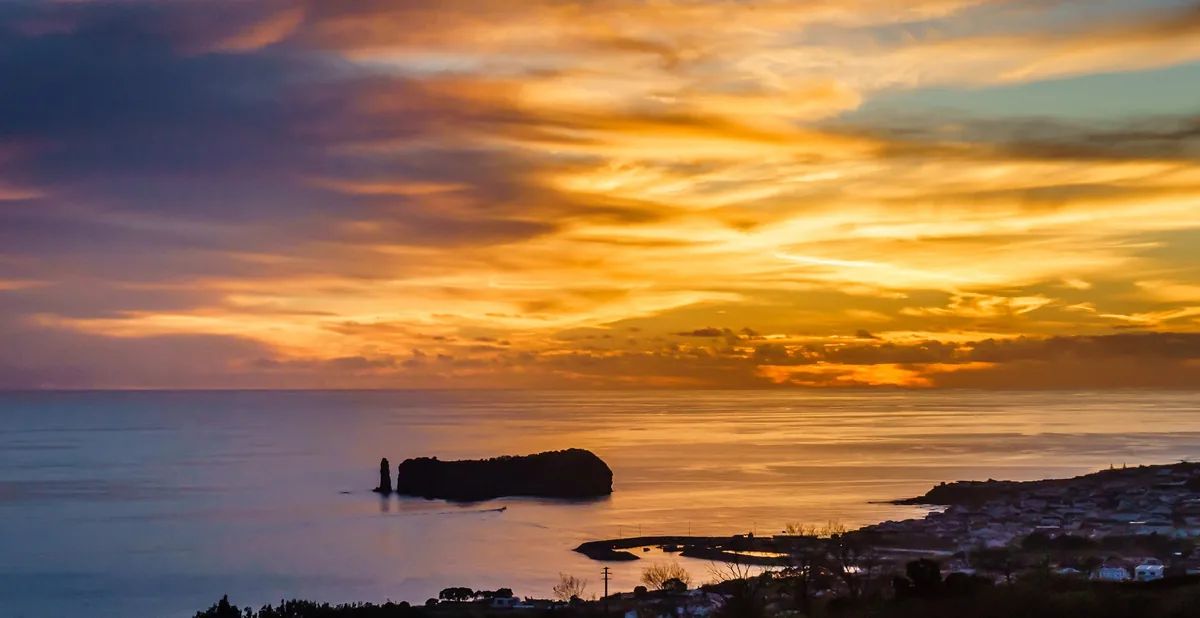
Vila Franca’s Atlantic setting


.jpg)


.jpg)

_3.JPG)


.jpg)


.jpg)
.jpg)
Real destination photographs are embedded throughout. Image titles link to original Wikimedia Commons file pages; credit lines link to the applicable licences. Photographs are cropped and resized for layout; cover images carry a colour overlay. Adapted CC BY-SA images retain their original share-alike licence. No photographer or institution endorsement is implied.
Back to contentsPage 22
Come for the landscape. Stay for the stories.
THE ZERO CULTURE COLLECTION
Tell us what moves you: architecture, food, craft, art or the pleasure of discovering a place in good company. We will shape a cultural journey around your interests, your pace and your people.
PRIVATE JOURNEYS / CULTURAL GROUPS / TAILORED RETREATS
Back to contents